
Geico Multi-Car Rates — Vermont
Free to compare
Geico Multi-Vehicle Policies in Vermont
You own two or more vehicles in Vermont and you're evaluating whether Geico's multi-car discount delivers better value than the other carriers licensed here. Geico writes standard-tier auto insurance across Vermont with online quoting, SR-22 filing capability, and non-owner policies — but the multi-vehicle discount is only one variable in a household policy decision that also hinges on base rate, how the carrier re-rates when you add a vehicle mid-term, and whether your household qualifies for Geico's tier in the first place.
Vermont mandates $25,000 bodily injury per person, $50,000 per accident, and $10,000 property damage, plus personal injury protection and uninsured motorist coverage. Every vehicle on your policy must meet those minimums. When you add a second or third car, the carrier re-rates the entire policy — it does not simply tack on a flat amount. Geico's multi-car discount reduces the combined premium, but the size of that reduction depends on Geico's base rate for your household and how aggressively Geico prices additional vehicles compared to competitors.
“A smaller discount on a lower base rate beats a larger discount on a higher one — compare the final combined premium, not the discount percentage.”

Compare Vermont Car Insurance Quotes Today
Get My Vermont Car Insurance Quote15 carriers
Vermont Multi-Vehicle Roster
Fifteen carriers write multi-vehicle policies in Vermont, including Geico, State Farm, Progressive, Allstate, and USAA. Geico holds an AM Best A++ rating and writes standard-tier coverage with online quoting and SR-22 capability.
Vermont Department of Financial Regulation carrier licensing data
How Geico's Multi-Car Discount Works
Geico applies the multi-car discount when you insure two or more vehicles on the same policy. The discount is per-policy, not per-vehicle: adding a second car triggers the discount on the combined premium, and adding a third car increases the discount further. The vehicles must be garaged at the same address and titled to household members listed on the policy.
The discount percentage varies by state and household profile. Geico does not publish the exact percentage for Vermont, and the actual reduction depends on your driving record, vehicle types, coverage selections, and location within the state. A household with two sedans garaged in Burlington will see a different discount structure than a household with three vehicles garaged in a rural county.
When you add a vehicle mid-term, Geico re-rates the entire policy effective the date you add the car. The new premium reflects the multi-car discount applied to all vehicles, but it also reflects the added risk and coverage cost of the new vehicle. The multi-car discount reduces the combined premium below what you would pay for separate policies, but it does not eliminate the cost of insuring the additional vehicle.
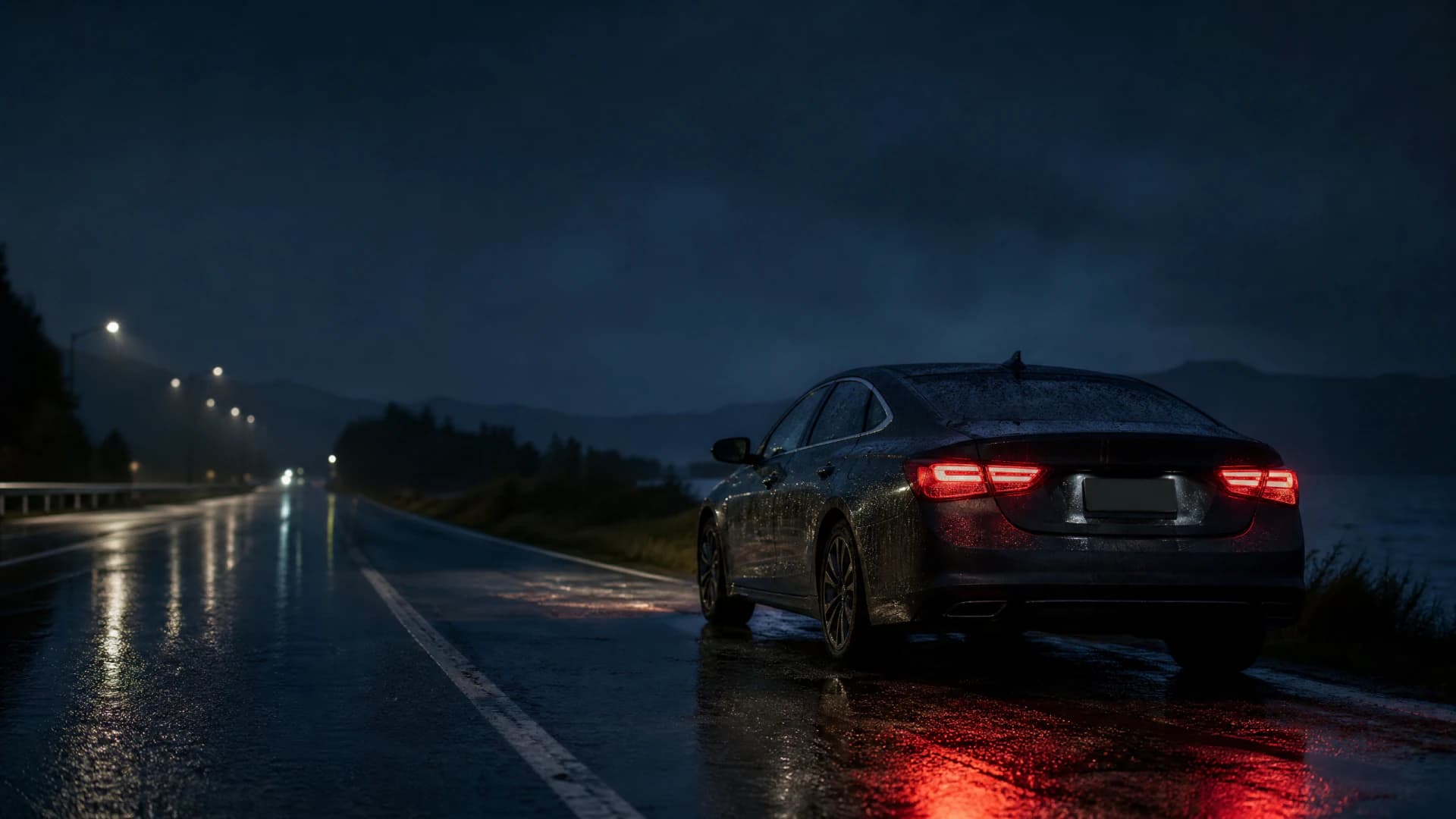
Geico's multi-car discount reduces your combined premium, but a smaller discount on a lower base rate can beat a larger discount on a higher one.
Related Articles







Vermont's Mandatory Coverage and Multi-Car Policies
Vermont requires personal injury protection and uninsured motorist coverage on every auto policy, and those mandates apply to every vehicle you insure. PIP covers medical expenses and lost wages for you and your passengers regardless of fault. Uninsured motorist coverage pays for injuries and property damage when the at-fault driver carries no insurance or insufficient limits.
When you add a second or third vehicle to your Geico policy, PIP and UM coverage extend to all vehicles on the policy. The carrier prices those coverages into the combined premium, and the multi-car discount applies after the mandatory coverages are factored in. Vermont's uninsured motorist rate is 11.8%, which means roughly one in nine drivers on the road carries no insurance. UM coverage is not optional here — it is a statutory requirement.
Collision and comprehensive coverage are optional in Vermont, but lenders require both if you finance or lease a vehicle. When you insure multiple vehicles, you can structure collision and comprehensive coverage differently for each car: carry both on financed vehicles, drop collision on older paid-off vehicles with low market value, and adjust deductibles to balance premium and out-of-pocket risk. Geico allows you to select $500 or $1,000 deductibles for each vehicle independently.
$25,000 / $50,000 / $10,000
Vermont Minimum Liability Limits
Vermont requires $25,000 bodily injury per person, $50,000 per accident, and $10,000 property damage. These minimums apply to every vehicle on your policy. Households with multiple vehicles often carry higher limits to protect household assets.
Vermont Department of Motor Vehicles

When Geico's Structure Fits Multi-Vehicle Households
Geico's online quoting and standard-tier underwriting make it a strong option for households with clean or near-clean driving records who want to compare quotes quickly. If your household includes two or more vehicles, no recent DUI convictions, and no lapses in coverage longer than 30 days, Geico will quote you. The multi-car discount applies automatically when you add the second vehicle during the quoting process.
Geico writes SR-22 certificates in Vermont, which means households with a DUI conviction or license suspension requiring proof of financial responsibility can maintain or add vehicles to a Geico policy. SR-22 filing adds a small administrative fee but does not disqualify you from the multi-car discount. If one household member needs SR-22 and another does not, both drivers and all vehicles can sit on the same Geico policy with the multi-car discount applied to the combined premium.
Geico also writes non-owner policies in Vermont, which cover a driver who does not own a vehicle but needs liability insurance to maintain continuous coverage or satisfy an SR-22 requirement. Non-owner policies do not qualify for the multi-car discount because there is no vehicle to add. If your household includes both owned vehicles and a driver needing non-owner coverage, you will carry two separate Geico policies: a multi-vehicle policy for the cars and a non-owner policy for the driver.
Adding a Vehicle to Your Geico Policy Mid-Term
When you buy a new or used vehicle, Geico extends coverage automatically for a limited grace period — typically 14 to 30 days depending on your state and policy terms. You must report the new vehicle to Geico within that window to keep coverage active. If you miss the deadline and file a claim on the unreported vehicle, Geico can deny the claim.
To add the vehicle, log into your Geico account online or call the customer service line. Provide the VIN, purchase date, and whether you financed or paid cash. Geico will re-rate your policy effective the date you acquired the vehicle, apply the multi-car discount to the updated premium, and issue a revised declaration page showing all vehicles. If you financed the vehicle, provide the lender's name and address so Geico can add them as a lienholder on the policy.
The revised premium reflects the cost of insuring the new vehicle plus the multi-car discount applied to all vehicles on the policy. You will owe the prorated premium increase for the remainder of the current policy term. Geico bills the difference immediately or adds it to your next scheduled payment depending on your billing cycle. If the premium increase is large, ask whether Geico offers a payment plan to spread the cost across multiple months.
Compare Geico Against Vermont's Full Roster
Geico is one of 15 carriers writing multi-vehicle policies in Vermont, and the only way to confirm whether Geico delivers the lowest combined premium for your household is to request quotes from multiple insurers in your tier. State Farm, Progressive, Allstate, Liberty Mutual, and Nationwide all write standard-tier coverage with multi-car discounts and online quoting. USAA writes preferred-tier coverage for military-affiliated households and consistently delivers lower premiums than standard-tier carriers for clean-record drivers.
Request quotes from at least three carriers. Provide identical coverage selections — the same liability limits, the same collision and comprehensive deductibles, the same PIP and UM limits — so you compare the combined premium after each carrier's multi-car discount is applied. A carrier with a smaller advertised discount percentage can still deliver a lower combined premium if its base rate is lower than Geico's. Compare the final quoted premium, not the discount size.
Comparing Geico Against Vermont's Carrier Roster
Geico writes standard-tier coverage with online quoting and SR-22 filing capability. State Farm and USAA write in the preferred tier with tighter underwriting and typically lower base rates for clean-record households. Progressive and Allstate write standard-tier coverage with multi-car discounts similar to Geico's structure. National General, Dairyland, and The General write non-standard coverage for households with violations or lapses, and their multi-car discounts are smaller because the base rate is already elevated.
The carrier that delivers the lowest combined premium for your household depends on how each insurer prices your specific risk profile. A household with two vehicles, clean records, and high coverage limits may find State Farm or USAA cheaper than Geico. A household with one driver carrying a recent speeding ticket may find Geico or Progressive cheaper than preferred-tier carriers that surcharge violations more aggressively. Request quotes from at least three carriers in your tier to compare the combined premium after the multi-car discount is applied.
Get Your Free Quote
Get My Vermont Car Insurance QuoteFrequently Asked Questions
Does Geico offer a multi-car discount in Vermont?
Yes. Geico applies a multi-car discount when you insure two or more vehicles on the same policy in Vermont. The discount is per-policy and increases as you add more vehicles. All vehicles must be garaged at the same address and titled to household members listed on the policy.
Can I add a vehicle to my Geico policy mid-term in Vermont?
Yes. Geico extends automatic coverage for a limited grace period when you acquire a new vehicle, typically 14 to 30 days. Report the vehicle to Geico within that window by logging into your account online or calling customer service. Geico will re-rate your policy effective the acquisition date and apply the multi-car discount to the updated premium.
Does Geico write SR-22 policies for multi-vehicle households in Vermont?
Yes. Geico writes SR-22 certificates in Vermont and allows households with an SR-22 requirement to maintain or add vehicles to a multi-car policy. The SR-22 filing adds a small administrative fee but does not disqualify you from the multi-car discount. All vehicles on the policy receive the discount regardless of which driver needs the SR-22.
How does Geico compare to State Farm for multi-car policies in Vermont?
Geico writes standard-tier coverage; State Farm writes preferred-tier coverage with tighter underwriting. Households with clean driving records and high credit often find State Farm's base rate lower than Geico's, even if Geico's multi-car discount percentage is larger. Request quotes from both carriers with identical coverage selections to compare the final combined premium.
What coverage does Vermont require on a multi-car policy?
Vermont requires $25,000 bodily injury per person, $50,000 per accident, $10,000 property damage, personal injury protection, and uninsured motorist coverage on every vehicle. These mandates apply to all vehicles on your Geico multi-car policy. Collision and comprehensive are optional unless you finance or lease a vehicle.