
State Farm Multi-Car Insurance — Vermont
Free to compare
State Farm Writes Multi-Car Policies in Vermont
State Farm writes auto insurance in Vermont and offers multi-car policies for households insuring two or more vehicles. The carrier holds an AM Best A+ rating and operates as a preferred-tier writer in the state, meaning households with clean driving records typically qualify for standard rates. If you own multiple vehicles or share a household with other drivers who own cars, State Farm will write a single policy covering every vehicle, provided each car meets underwriting requirements and every driver in the household is disclosed.
The multi-car discount applies when every vehicle sits on the same State Farm policy. Vehicles titled to different household members can share one policy as long as they garage at the same address and every driver is listed. The discount does not apply across separate policies, even if both policies are with State Farm. This same-policy requirement is the structural rule that determines whether combining saves money or costs more.
“Adding a vehicle re-rates the entire policy, not just the new car's premium.”

Compare Vermont Car Insurance Quotes Today
Get My Vermont Car Insurance Quote$25,000 / $50,000 / $10,000
Vermont Minimum Liability Limits
Vermont requires $25,000 bodily injury per person, $50,000 per accident, and $10,000 property damage. Every vehicle on your multi-car policy must carry at least these limits, and adding a vehicle re-rates the entire policy based on the new vehicle's risk profile and the combined exposure.
Vermont DMV
How the Multi-Car Discount Works at State Farm
State Farm's multi-car discount reduces the per-vehicle premium when you insure two or more cars on the same policy. The discount applies to each vehicle, not as a flat dollar reduction but as a percentage adjustment to the base rate. The exact percentage is not published and varies by state, but the mechanism is consistent: more vehicles on one policy lower the per-vehicle cost compared to insuring each car separately.
The discount requires every vehicle to appear on the same policy document. A household with three cars split across two State Farm policies does not receive the multi-car discount on any of the three vehicles. The same-policy rule is absolute. If you and a spouse each carry a separate State Farm policy and then marry or move in together, combining the policies into one triggers the discount. Keeping them separate forfeits it.
Adding a vehicle mid-term re-rates the entire policy rather than simply adding a flat amount. State Farm recalculates the premium for every car on the policy when the new vehicle is added, factoring in the new vehicle's year, make, model, garaging address, and how it changes the household's total exposure. A high-value or high-performance vehicle can raise the premium for every car on the policy, not just itself. A low-risk commuter car may lower it.
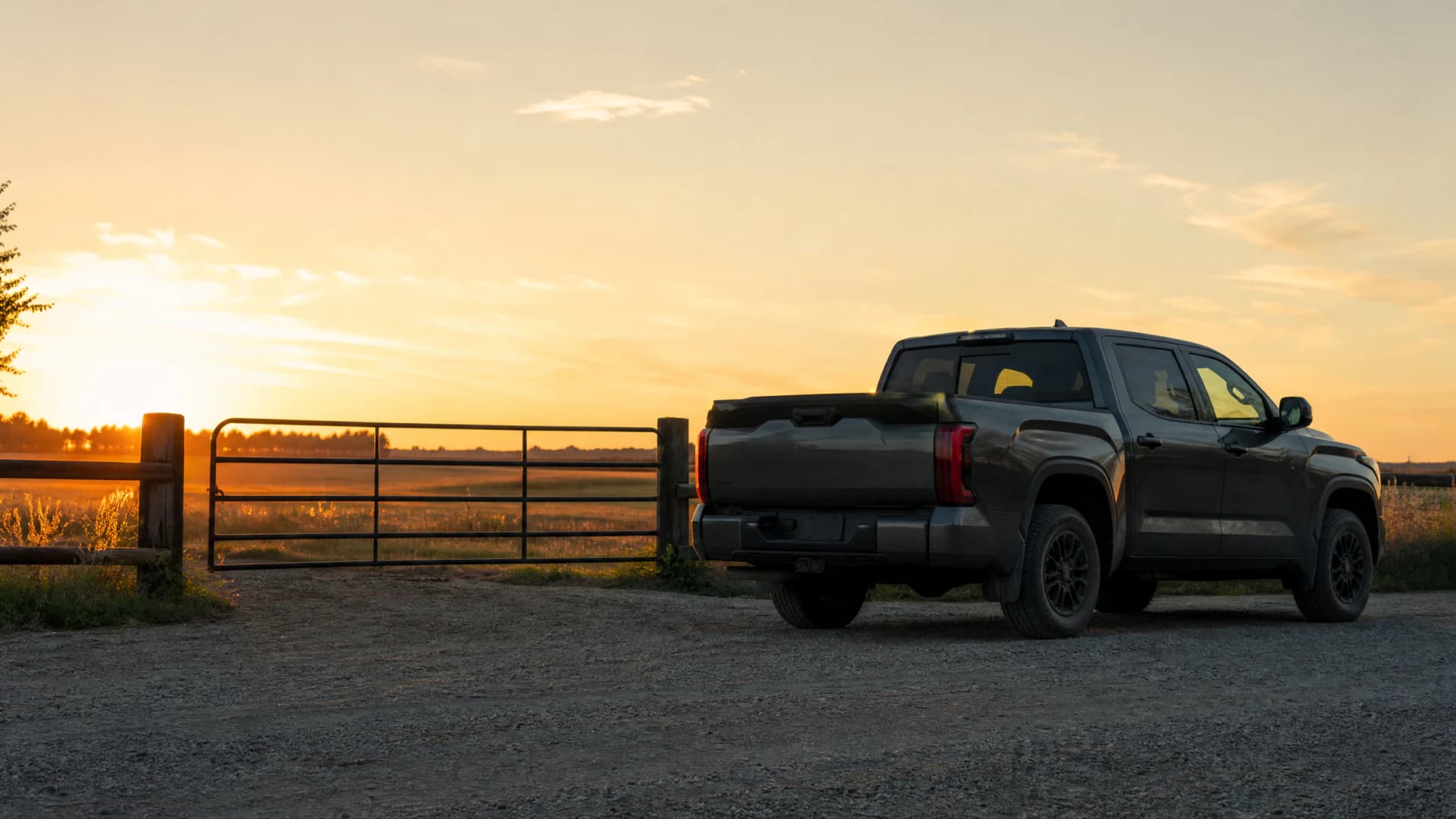
The multi-car discount only applies when every vehicle sits on the same policy. Split policies forfeit the discount entirely, even within the same household.
Related Articles





Adding a Vehicle to an Existing State Farm Policy
State Farm provides a grace period for newly purchased or acquired vehicles. The new car is automatically covered under your existing policy for a limited number of days after purchase, typically 14 to 30 days depending on state rules and your policy terms. You must notify State Farm and formally add the vehicle within that window. If you miss the deadline and file a claim on the unreported vehicle, the claim may be denied.
When you add the vehicle, State Farm re-rates the entire policy. The new premium reflects the added vehicle's risk and the multi-car discount applied to every car on the policy. You receive a revised declaration page showing the new per-vehicle breakdown and the updated total premium. The change is effective immediately, and you owe the prorated premium difference for the remainder of the current term.
If the new vehicle is financed or leased, the lender requires proof of comprehensive and collision coverage. State Farm will not add the vehicle without those coverages if a lienholder is listed. If you own the car outright, you can choose liability-only coverage, but that choice affects the total premium less than the vehicle's addition itself. The multi-car discount applies regardless of whether you carry full coverage or minimum liability on each vehicle.
15 carriers
Vermont Multi-Car Carriers
Fifteen carriers write auto insurance in Vermont, including State Farm, Geico, Progressive, Allstate, and Nationwide. Not all offer the same multi-car discount structure. Comparing carriers that write your household's vehicle count and driver profile ensures you find the policy that fits your actual situation.
Vermont carrier roster

State Farm Versus Other Vermont Multi-Car Carriers
State Farm operates as a preferred-tier carrier in Vermont, meaning it writes policies for drivers with clean records and standard risk profiles. Geico, Progressive, Allstate, and Nationwide also write multi-car policies in the state, and each applies the multi-car discount differently. Progressive and Geico allow online quotes for multi-car households and provide immediate rate comparisons. State Farm typically requires an agent interaction for multi-vehicle quotes, which adds a step but provides direct guidance on coverage structuring.
Carriers differ on same-policy requirements. Some allow vehicles titled to different household members to qualify for the discount as long as they garage at the same address. Others require every vehicle to be titled to the same policyholder. State Farm's underwriting rules permit different titleholders on the same policy, but every driver must be listed and every vehicle must garage at the policy's primary address. If a household member garages a car at a different address, that vehicle may not qualify for the same-policy discount.
Compare Carriers That Write Your Household
State Farm writes multi-car policies in Vermont and applies the multi-car discount when every vehicle sits on the same policy. The discount lowers per-vehicle premiums, but the total cost depends on your vehicles, your drivers, and the coverage levels you choose. Adding a vehicle re-rates the entire policy, and combining two separate policies into one triggers the discount only if both policies move to the same carrier and the same policy document.
Compare State Farm against other Vermont carriers that write multi-car policies. Use the comparison tool to see which carriers write your household's vehicle count and driver profile, and request quotes from at least three. The multi-car discount is one variable; the base rate, the underwriting tier, and the coverage options each carrier offers are the others. The lowest total premium comes from the carrier that combines the best base rate with the largest same-policy discount for your specific household.
When Combining Policies Saves Money
Combining saves money when both policies carry similar coverage levels and neither policy includes a high-risk driver or high-value vehicle that would raise the other policy's base rate. Two households merging after marriage typically see a combined premium lower than the sum of the two separate policies, because the multi-car discount outweighs the small increase in exposure. A parent adding a teen driver's car to the family policy usually pays less than the teen would pay for a standalone policy, even though the family policy's premium rises.
Combining costs more when one policy includes a driver with recent violations or a vehicle with much higher liability limits than the other. State Farm re-rates every vehicle on the combined policy using the household's total risk profile. If one spouse has a DUI and the other has a clean record, combining the policies raises the clean-record spouse's per-vehicle premium. In that case, keeping the policies separate may cost less overall, but you forfeit the multi-car discount and lose the administrative simplicity of one renewal date and one payment.
Get Your Free Quote
Get My Vermont Car Insurance QuoteFrequently Asked Questions
Does State Farm offer a multi-car discount in Vermont?
Yes. State Farm offers a multi-car discount in Vermont when you insure two or more vehicles on the same policy. The discount applies to each vehicle and requires every car to sit on the same policy document, not across separate policies.
Can I add my spouse's car to my State Farm policy in Vermont?
Yes, as long as both vehicles garage at the same address and your spouse is listed as a driver on the policy. State Farm allows vehicles titled to different household members on one policy, and combining them triggers the multi-car discount.
How long do I have to add a new car to my State Farm policy?
State Farm provides a grace period, typically 14 to 30 days, during which a newly purchased vehicle is automatically covered under your existing policy. You must notify State Farm and formally add the vehicle within that window to maintain coverage.
Does adding a third car to my State Farm policy raise the premium on my other two cars?
Yes. Adding a vehicle re-rates the entire policy, not just the new car. State Farm recalculates the premium for every vehicle based on the household's total exposure, and a high-risk or high-value vehicle can raise the per-vehicle cost for all cars on the policy.
Is it cheaper to combine two State Farm policies into one multi-car policy?
In most cases, yes. Combining two separate policies into one multi-car policy triggers the multi-car discount and lowers the total premium. The exception is when one policy includes a high-risk driver or high-value vehicle that raises the combined policy's base rate more than the discount saves.
What coverage do I need to insure multiple cars in Vermont?
Vermont requires $25,000 bodily injury per person, $50,000 per accident, and $10,000 property damage on every vehicle. Personal injury protection and uninsured motorist coverage are also mandatory. You can add comprehensive and collision coverage to any or all vehicles on a multi-car policy.