
Uninsured Motorist Coverage — Vermont
Free to compare
Vermont Requires Uninsured Motorist Coverage
You're adding a second or third vehicle to your Vermont policy and the carrier asks whether you want uninsured motorist coverage on the new car. You already carry it on your existing vehicles, so declining on the new one seems like an easy way to trim the premium. That decision breaks a stacking mechanic most Vermont households don't discover until a claim.
Vermont mandates uninsured motorist (UM) and underinsured motorist (UIM) coverage on every auto policy. The state requires carriers to offer it at limits matching your liability coverage, and you can only decline it in writing. When you insure multiple vehicles, each car's UM/UIM coverage stacks in certain claim scenarios, but only if every vehicle on the policy carries it. Declining coverage on one vehicle doesn't just leave that car unprotected — it can eliminate stacking across your entire household.
“Declining UM/UIM on one vehicle eliminates stacking across all cars on the policy, even those that carry the coverage.”

Compare Vermont Car Insurance Quotes Today
Get My Vermont Car Insurance Quote11.8%
Vermont Uninsured Motorist Rate
More than one in nine Vermont drivers operates without insurance. UM/UIM coverage protects you when an at-fault driver has no policy or carries limits too low to cover your injuries and vehicle damage.
Insurance Information Institute, 2023
What Vermont's UM/UIM Mandate Actually Requires
Vermont law requires every auto insurance policy to include uninsured motorist bodily injury coverage and underinsured motorist bodily injury coverage at limits equal to your liability limits. If you carry the state minimum liability of $25,000 per person and $50,000 per accident, your UM/UIM must match those figures unless you reject the coverage in writing.
Carriers must offer you the option to buy higher UM/UIM limits than your liability coverage, up to the policy maximum. Most Vermont households with multiple vehicles carry liability limits above the state minimum, which means their mandatory UM/UIM floors are correspondingly higher.
You can decline UM/UIM coverage, but only by signing a written rejection form the carrier provides. The rejection applies per policy term, so if you renew without signing a new rejection, the coverage reinstates automatically. When you add a vehicle mid-term, the carrier will ask whether you want UM/UIM on the new car — that question is the rejection opportunity, and your answer determines whether the new vehicle participates in stacking.
Declining UM/UIM on one vehicle in a multi-car household eliminates stacking across all cars on the policy, even those that carry the coverage.
Related Articles



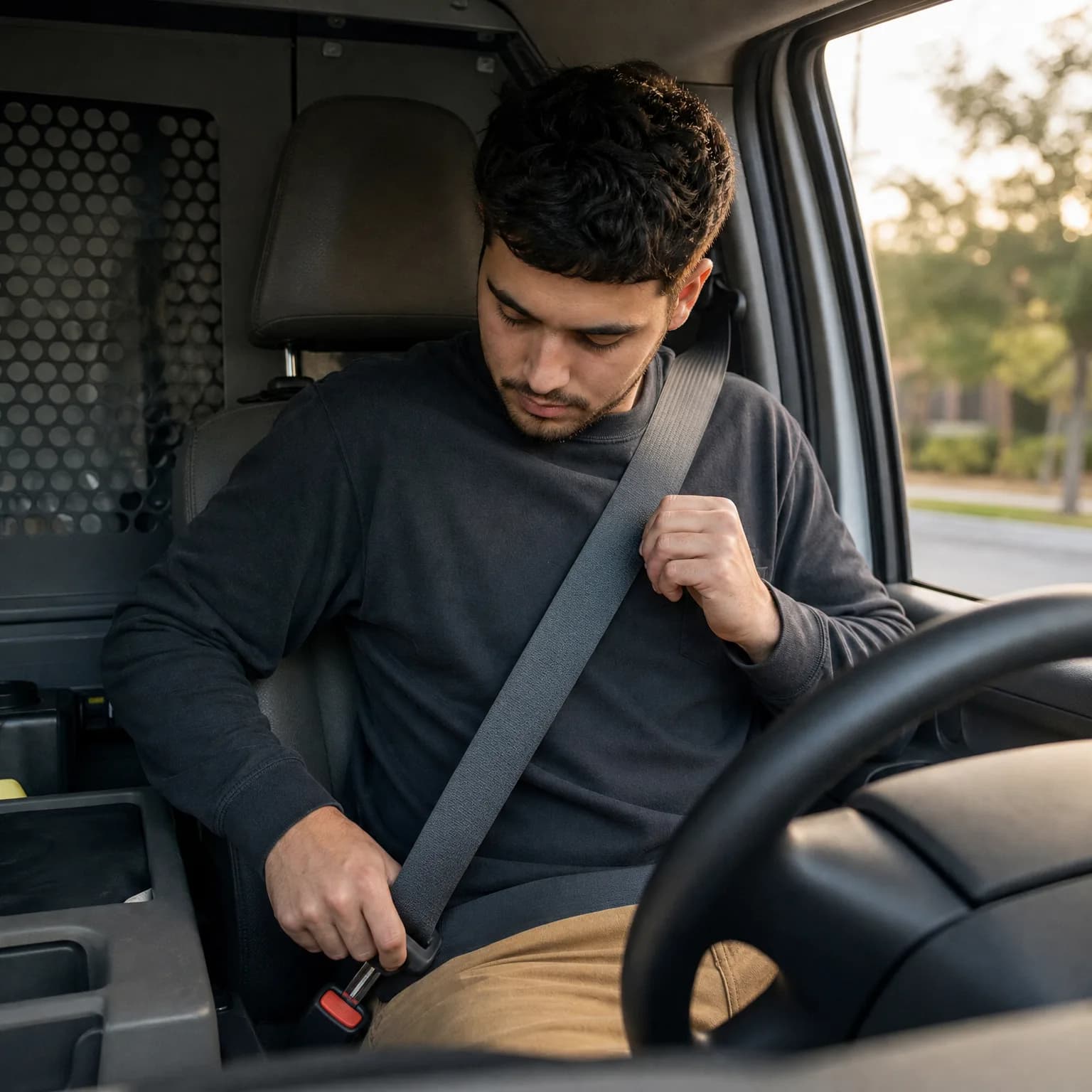
What Happens When You Decline Coverage on One Vehicle
Declining UM/UIM on a single vehicle creates two immediate consequences. First, that vehicle has no protection if an uninsured or underinsured driver hits it. If the at-fault driver carries no insurance or carries only the Vermont minimum $25,000 per person, your medical bills and lost wages above that amount come out of pocket unless you carry health insurance with strong coverage. Vehicle damage falls to your collision coverage if you carry it, or to you directly if you don't.
Second, the rejection eliminates stacking across the entire policy. Your other vehicles still carry UM/UIM, but their limits no longer combine in a claim.
Carriers don't always explain the stacking consequence when you add a vehicle mid-term. The rejection form you sign discloses that you're declining coverage, but it doesn't quantify the stacking loss across your other cars. Most Vermont households discover the gap only when a claim exhausts the single-vehicle limit and the adjuster explains that stacking was forfeited at policy inception.
$25,000 / $50,000
Vermont Minimum Liability Limits
Vermont requires $25,000 bodily injury coverage per person and $50,000 per accident. Your mandatory UM/UIM floors match these figures unless you carry higher liability limits, in which case UM/UIM must match the higher amount.
Vermont Department of Motor Vehicles
When Declining UM/UIM Makes Sense for Multi-Car Households
Declining UM/UIM makes sense in exactly one scenario: you carry health insurance with no-fault medical coverage that pays regardless of who caused the accident, and you're willing to accept that your vehicle damage in an uninsured-motorist collision will be covered only by your collision coverage or not at all. Even in that scenario, you lose stacking, so the decision only works if you're declining on every vehicle, not selectively on one or two.
For most Vermont households with multiple vehicles, carrying UM/UIM on every car is the correct structural choice. The coverage is inexpensive relative to liability, it preserves stacking, and it protects against a risk the state's own data shows is material: more than one in nine Vermont drivers operates without insurance.
Compare Carriers That Write Multi-Vehicle UM/UIM in Vermont
Not every carrier prices UM/UIM the same way across multiple vehicles. Some apply a per-vehicle rate that scales linearly; others discount the second and third vehicle's UM/UIM premium when you carry matching limits on all cars.
When you request quotes, specify that you want UM/UIM at limits matching your liability coverage on every vehicle. Ask whether the carrier permits stacking and whether declining coverage on one vehicle affects stacking on the others — not every agent volunteers that detail. Fifteen carriers write auto insurance in Vermont, and their UM/UIM pricing structures vary enough that the lowest-cost option for a single-car policy often isn't the lowest for a household with three or four vehicles. See Vermont's carrier roster and state-specific coverage requirements to compare options that fit your household.
How UM/UIM Stacking Works Across Multiple Vehicles
The stacking applies when the at-fault driver's liability coverage is insufficient or absent and your injuries exceed the per-vehicle limit. Without stacking, you're capped at the single-vehicle limit even though you paid premiums on multiple cars.
The stacking mechanic breaks the moment you decline UM/UIM on any vehicle. Carriers interpret the rejection as a policy-level election, not a vehicle-level one, because Vermont law ties the rejection to the policy term. If you reject coverage on the third car you add, the first two vehicles lose their ability to stack even though they still carry UM/UIM. The only way to preserve stacking is to carry UM/UIM on every vehicle the policy covers.
Get Your Free Quote
Get My Vermont Car Insurance QuoteFrequently Asked Questions
Does Vermont require uninsured motorist coverage?
Yes. Vermont requires every auto policy to include uninsured motorist bodily injury coverage and underinsured motorist bodily injury coverage at limits matching your liability coverage. You can decline it only by signing a written rejection form.
Can I decline uninsured motorist coverage on one vehicle in a multi-car policy?
You can decline it, but doing so eliminates stacking across your entire policy. Even vehicles that carry UM/UIM lose the ability to combine their limits in a claim once you reject coverage on any car.
What does UM/UIM stacking mean in Vermont?
Stacking allows you to combine the uninsured motorist limits from multiple vehicles on the same policy when a single accident exhausts one vehicle's coverage.
How much does uninsured motorist coverage cost in Vermont?
UM/UIM premiums vary by your liability limits and the number of vehicles on your policy.
What happens if I'm hit by an uninsured driver in Vermont and I declined UM coverage?
You have no UM/UIM protection for medical bills or lost wages above the at-fault driver's liability limits. If the driver carries no insurance, you're limited to your own health insurance and collision coverage for vehicle damage.
Do all Vermont carriers allow UM/UIM stacking?
Most Vermont carriers permit stacking by default, but you must carry UM/UIM on every vehicle on the policy. Some carriers discount the UM/UIM premium on additional vehicles when you carry matching limits across all cars.