
Underinsured Motorist Coverage — Vermont
Free to compare
Vermont Requires Uninsured Coverage, Not Underinsured
You're insuring two or three vehicles in Vermont, you've met the state's liability minimums, and you assume your household is fully protected. Then you discover Vermont requires uninsured motorist coverage but leaves underinsured motorist coverage entirely optional. That distinction matters: 11.8% of Vermont drivers carry no insurance at all, and many more carry only the $25,000 per person minimum—far below what a serious injury costs.
The structural reality: Vermont law treats uninsured and underinsured as separate products. Multi-car households face this gap across every vehicle on the policy unless they explicitly add underinsured motorist protection.
“Vermont requires uninsured coverage but leaves underinsured optional—and the gap between minimum limits and actual injury costs grows every year.”
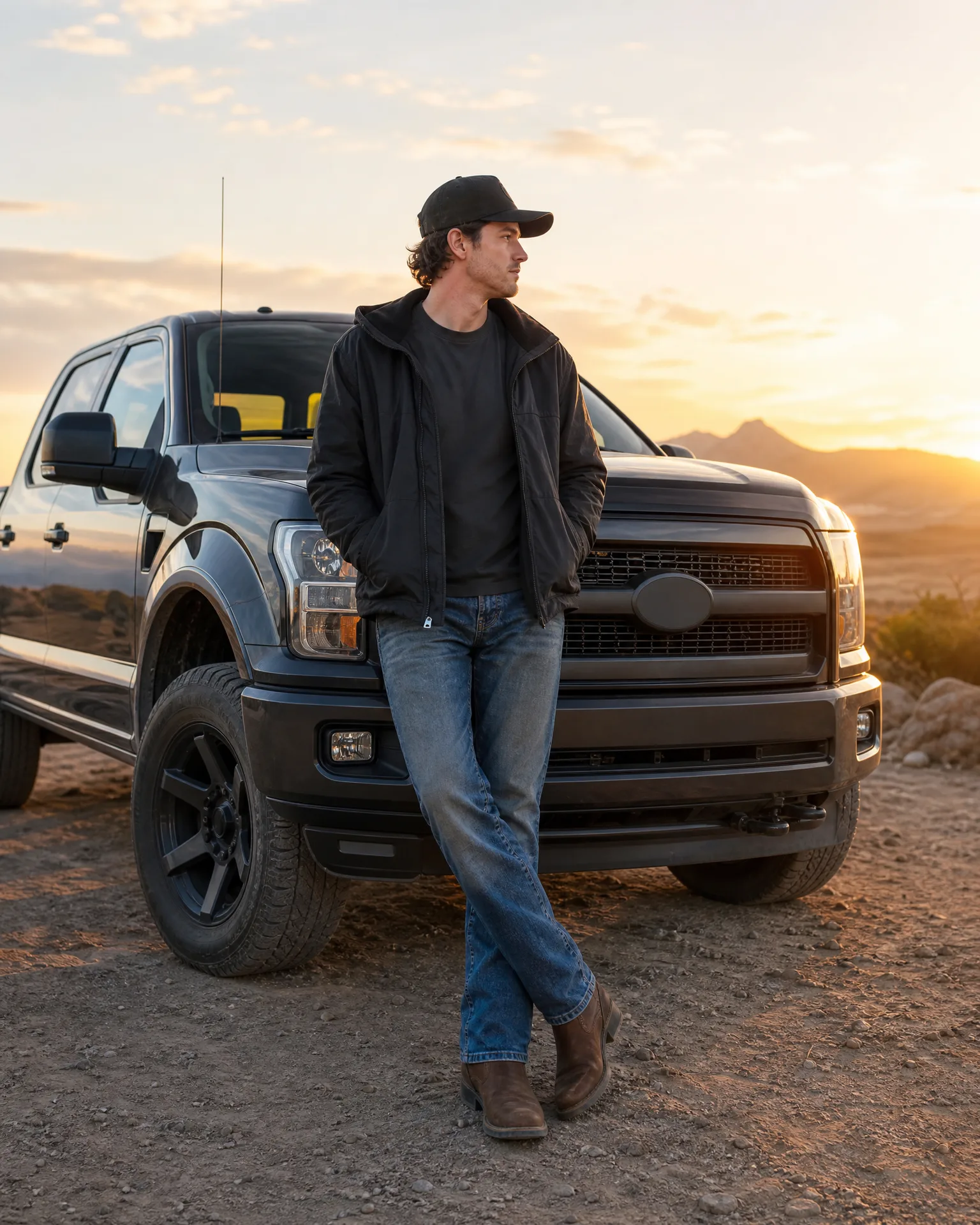
Compare Vermont Car Insurance Quotes Today
Get My Vermont Car Insurance Quote11.8%
Vermont Uninsured Motorist Rate
More than one in ten Vermont drivers operates without any insurance. The state's mandatory uninsured motorist coverage addresses that exposure, but it does nothing when the at-fault driver carries inadequate limits.
Insurance Research Council, 2023
What Underinsured Motorist Coverage Actually Does
Underinsured motorist coverage pays the difference between the at-fault driver's liability limit and your actual damages, up to your policy's underinsured limit.
The coverage applies per vehicle on your policy. When you insure three cars, each carries the same underinsured limit unless you structure the policy otherwise. That means one serious collision can exhaust the limit for one vehicle while leaving the others unaffected, but only if the claim stays within your chosen cap.
Vermont does not mandate this coverage. Carriers must offer it, but you can decline in writing. Most multi-car households never see the declination form—they assume the mandatory uninsured coverage includes underinsured protection, and it does not.
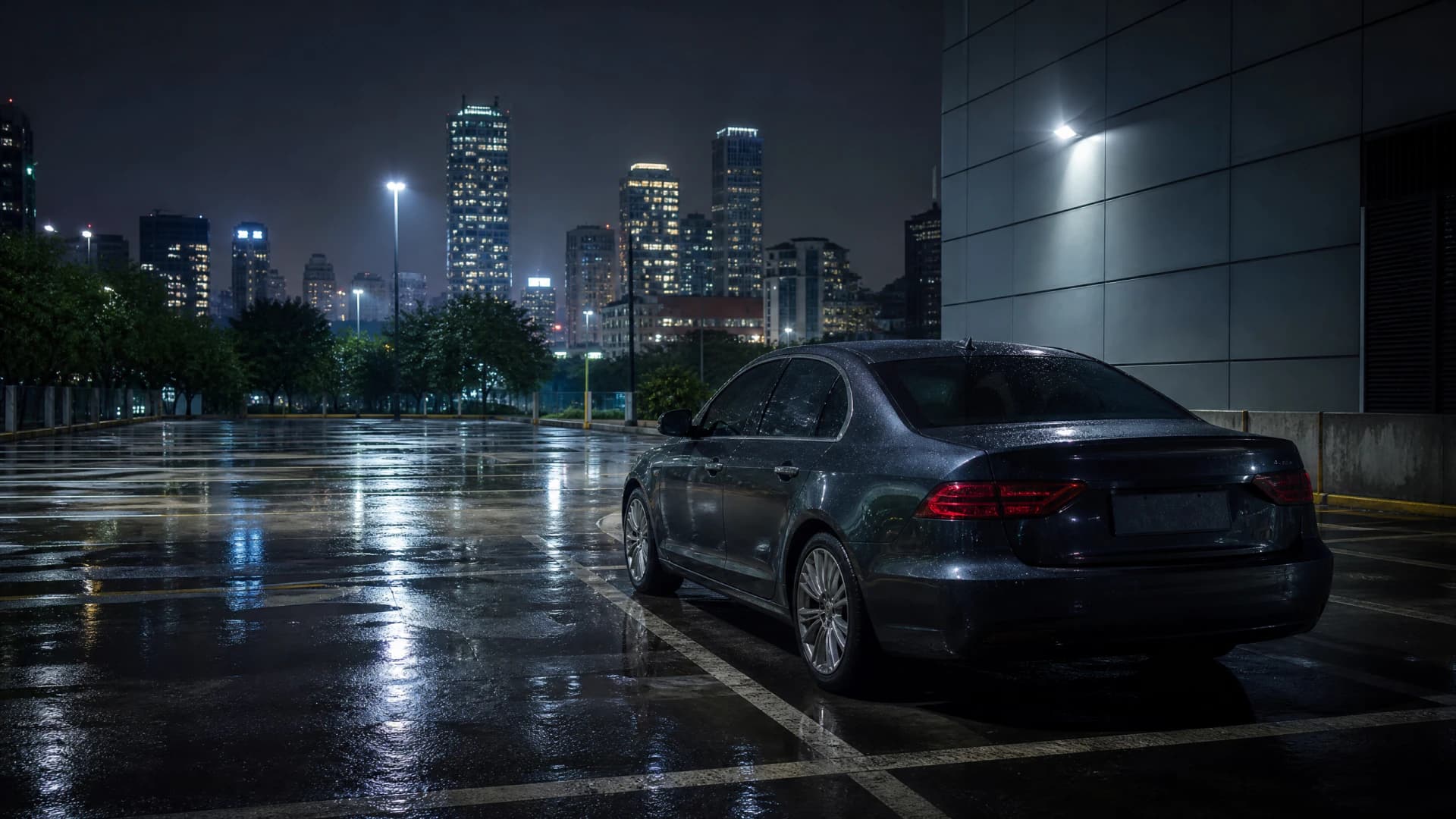
Vermont's $25,000 per person liability minimum hasn't changed in decades. Medical costs have. The gap between minimum coverage and actual injury expense grows every year.
Related Articles





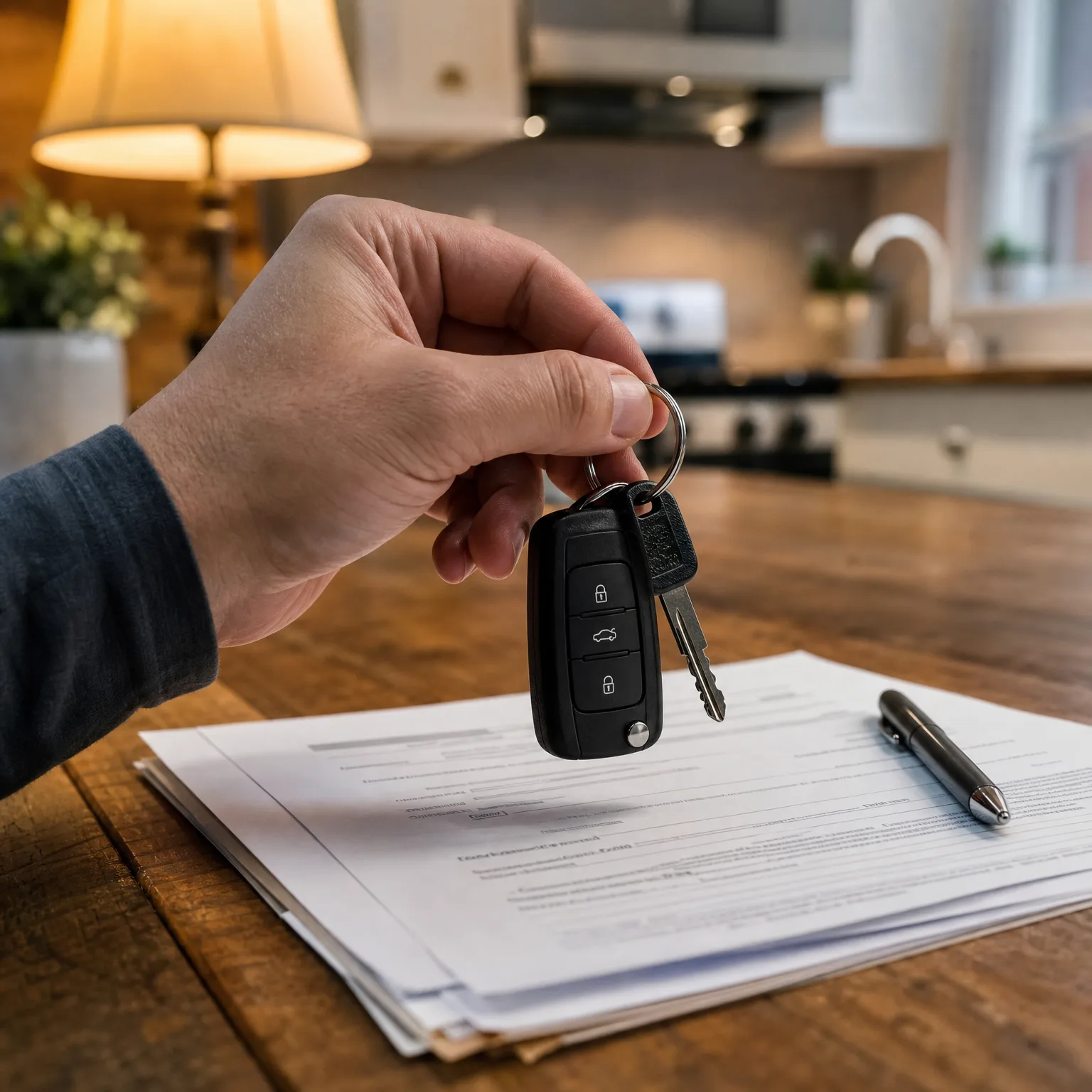
Adding Underinsured Coverage Mid-Term
You can add underinsured motorist coverage to an existing multi-car policy at any time. Contact your carrier or agent, request the coverage, and choose a limit that matches or exceeds your liability limit—most agents recommend carrying underinsured limits equal to your bodily injury liability. The carrier re-rates the entire policy when you add coverage mid-term, not just the newly added protection.
Timing matters. Coverage takes effect on the date the carrier processes the endorsement, not retroactively. If you add underinsured coverage today and a collision happened yesterday, the new coverage does not apply to that claim. For multi-car households, that means every vehicle on the policy gains the coverage simultaneously once the endorsement is active.
Some carriers require you to carry uninsured and underinsured limits at the same level. Vermont law mandates uninsured coverage at minimum $25,000 per person and $50,000 per accident, matching the state's liability floor.
$25,000 / $50,000
Vermont Minimum Liability Limits
Vermont requires $25,000 bodily injury coverage per person and $50,000 per accident, plus $10,000 property damage. These minimums set the floor for mandatory uninsured motorist coverage but do not govern underinsured limits, which remain optional.
Vermont Department of Motor Vehicles
Choosing an Underinsured Limit for Multiple Vehicles
Start with your liability limit. That ensures you hold the at-fault driver to the same standard you hold yourself. For households insuring multiple vehicles, the logic is the same across every car: the limit you choose applies to each vehicle unless you opt for stacking, in which case the total available protection multiplies.
Consider your household's total exposure. Two working adults commuting daily in separate vehicles face twice the collision risk of a single-car household. Three vehicles driven by three licensed household members triple it. Underinsured coverage does not cost as much as liability because it only pays when the other driver is at fault and underinsured—but it is the only protection you have when that happens. Skipping it to save a few dollars per month leaves your household exposed to five-figure out-of-pocket costs after a serious collision.
Compare Carriers That Write Multi-Car Policies in Vermont
Not every carrier offers stacking, and underinsured limits vary by company. State Farm, Geico, Progressive, Allstate, Nationwide, Travelers, and USAA all write multi-vehicle policies in Vermont, but their underinsured motorist options differ. Some cap underinsured limits at your liability limit; others let you buy higher protection. Some bundle uninsured and underinsured together; others price them separately. The only way to know what your household qualifies for is to compare quotes with underinsured coverage included at the limit you want. Request quotes that show stacking as an option if your carrier offers it, and compare the total premium across the vehicles you're insuring. The gap between minimum uninsured-only coverage and full underinsured protection with stacking is often smaller than households expect—and the difference in a serious claim is the gap between covered and bankrupt.
How Multi-Car Policies Handle Underinsured Limits
Vermont permits stacking of underinsured motorist coverage when your policy insures multiple vehicles. Stacking multiplies your per-person limit by the number of vehicles on the policy. Not every carrier offers stacking, and some charge extra for it, but Vermont law allows the practice when the policy language permits.
Without stacking, your underinsured limit is the same whether you insure one car or five. For households with multiple drivers and multiple cars, that creates a mismatch: your exposure scales with the number of vehicles on the road, but your protection does not. Stacking closes that gap by tying your underinsured limit to the number of insured vehicles.
Get Your Free Quote
Get My Vermont Car Insurance QuoteFrequently Asked Questions
Does Vermont require underinsured motorist coverage?
No. Vermont requires uninsured motorist coverage at $25,000 per person and $50,000 per accident but leaves underinsured motorist coverage optional. Carriers must offer it, but you can decline in writing.
What is the difference between uninsured and underinsured motorist coverage in Vermont?
Uninsured motorist coverage pays when the at-fault driver has no insurance. Underinsured coverage pays when the at-fault driver carries insurance but their liability limit is too low to cover your damages. Vermont mandates the first and leaves the second optional.
Can I stack underinsured motorist coverage on a multi-car policy in Vermont?
Yes. Vermont permits stacking when your policy insures multiple vehicles. Stacking multiplies your per-person underinsured limit by the number of vehicles on the policy, giving you higher total protection. Not all carriers offer stacking, and some charge extra for it.
How much underinsured motorist coverage should I carry in Vermont?
Match your underinsured limit to your bodily injury liability limit. That holds the at-fault driver to the same standard you hold yourself and protects your household when their limits fall short.
Can I add underinsured motorist coverage to my policy after I buy it?
Yes. You can add underinsured coverage to an existing multi-car policy at any time by contacting your carrier or agent. The coverage takes effect on the date the carrier processes the endorsement, not retroactively, and applies to every vehicle on the policy.
Do all Vermont carriers offer underinsured motorist coverage?
Vermont law requires carriers to offer underinsured motorist coverage, but you can decline it in writing. Coverage options, limits, and stacking availability vary by carrier. Compare quotes from multiple carriers to see what underinsured limits and stacking options your household qualifies for.