
Property Damage Liability Coverage — Vermont
Free to compare
Vermont Mandates Property Damage Liability
Vermont law requires every driver to carry property damage liability coverage with a minimum limit of $10,000 per accident. This is not optional. You cannot register a vehicle, renew your registration, or legally drive without proof of this coverage on file with the Vermont DMV.
The $10,000 minimum is the amount your insurer will pay toward property you damage in an at-fault accident — another driver's car, a fence, a building, or other physical property. It does not cover your own vehicle. It does not cover injuries to other people. Those fall under collision coverage (for your car) and bodily injury liability (for injuries you cause), which are separate line items on your policy.
“The $10,000 property damage minimum applies per accident, not per vehicle — adding cars to your policy does not raise the limit automatically.”

Compare Vermont Car Insurance Quotes Today
Get My Vermont Car Insurance Quote$10,000
Vermont Property Damage Minimum
Vermont statute sets the property damage liability floor at $10,000 per accident. This is the smallest amount a carrier will write for a compliant policy. Most households carry higher limits to protect assets beyond the minimum.
Vermont DMV
How the Per-Accident Limit Works Across Multiple Vehicles
The $10,000 property damage limit is a per-accident limit, not a per-vehicle limit. If you insure three cars on one policy and any driver in your household causes an accident in any of those cars, the insurer pays up to $10,000 for property damage in that single accident. The limit does not multiply by the number of vehicles you own.
This matters when you're structuring coverage for a household with multiple cars. Adding a second or third vehicle to your policy does not increase the property damage liability limit unless you explicitly raise it. The same $10,000 ceiling applies whether the at-fault driver was in your sedan, your SUV, or your teenager's car.
Most carriers recommend higher property damage limits when you own multiple vehicles, because the exposure is higher. A household with three cars has three drivers (or more), and statistically more opportunities for an at-fault accident.
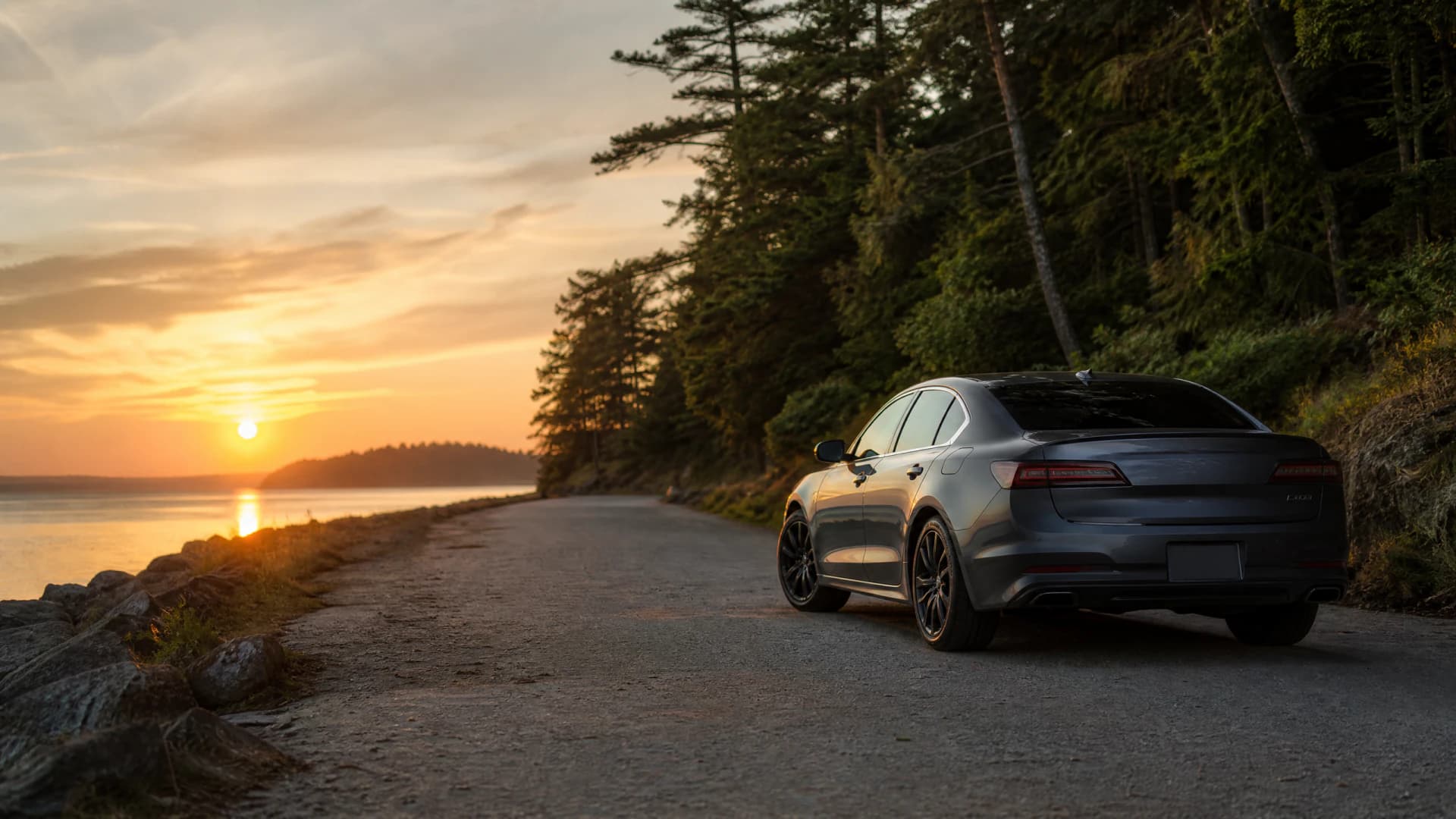
The $10,000 property damage minimum applies per accident, not per vehicle. Adding cars to your policy does not raise the limit automatically.



Raising the Limit When You Add a Vehicle
When you add a second or third vehicle to your policy, the carrier re-rates the entire policy. This is the moment to evaluate whether the $10,000 property damage minimum still makes sense. Most households raising their vehicle count also raise their liability limits, because the cost to step up from $10,000 to $25,000 or $50,000 in property damage coverage is modest relative to the out-of-pocket risk.
The difference in premium between $10,000 and $25,000 is often smaller than the difference between $25,000 and $50,000, because the insurer's risk curve is steepest at the low end. Ask your carrier for quotes at multiple limits when you add a vehicle.
If you own assets worth protecting — a home, savings, retirement accounts — consider matching your property damage limit to the value of those assets. A $10,000 limit leaves you exposed if you cause significant damage. A judgment against you for the uncovered portion can attach to your bank accounts, your wages, and your property.
15 carriers
Vermont Licensed Carriers
At least 15 major carriers write auto insurance in Vermont, including State Farm, Geico, Progressive, Allstate, and USAA. Each offers property damage liability at multiple limit tiers. Compare quotes when structuring coverage for multiple vehicles.
Proof of Insurance and Registration
Vermont requires proof of insurance before you can register a vehicle or renew an existing registration. The proof must show you carry at least the state minimums: $25,000 bodily injury per person, $50,000 bodily injury per accident, $10,000 property damage per accident, uninsured motorist coverage, and personal injury protection. The DMV verifies coverage electronically through the Vermont Insurance Verification System.
If your policy lapses or you drop coverage, the insurer notifies the DMV. The DMV can suspend your registration and your license until you reinstate coverage and pay a reinstatement fee. Driving without insurance in Vermont is a criminal offense, punishable by fines, license suspension, and potential jail time for repeat offenses.
Compare Carriers That Write Multiple Vehicles
Not every carrier prices multi-vehicle policies the same way. Some apply a multi-car discount that lowers the per-vehicle premium when you insure two or more cars on one policy. Others price each vehicle independently and offer no discount. The difference can be significant when you're adding a second or third car.
Request quotes from at least three carriers, and ask each to quote the same property damage liability limit across all scenarios. Compare the total premium for all vehicles combined, not just the incremental cost of adding one car. The carrier with the lowest single-vehicle rate may not be the lowest when you add a second vehicle. Carriers licensed in Vermont include State Farm, Geico, Progressive, Allstate, Liberty Mutual, Farmers, Nationwide, USAA, Travelers, and others. Use the comparison tool to see which carriers write your household's vehicles and how their multi-car pricing differs.
What Property Damage Liability Covers
The coverage applies to vehicles you hit, structures you damage (guardrails, fences, buildings), and other physical property you destroy or damage in an accident where you are at fault. The insurer pays the repair or replacement cost up to your policy limit, minus any deductible the other party's policy may apply. If the damage exceeds your limit, you are personally liable for the difference.
Property damage liability does not cover your own car. That requires collision coverage, which is optional in Vermont. It does not cover injuries to other people — bodily injury liability handles that. It does not cover damage you cause intentionally, damage from wear and tear, or damage that occurs when someone else is driving your car without permission.
Get Your Free Quote
Get My Vermont Car Insurance QuoteFrequently Asked Questions
Does Vermont require property damage liability coverage?
Yes. Vermont law requires every driver to carry property damage liability coverage with a minimum limit of $10,000 per accident. You cannot register or legally drive a vehicle without proof of this coverage on file with the DMV.
Does the property damage limit increase when I add a second car to my policy?
No. The property damage liability limit is a per-accident limit, not a per-vehicle limit. If you carry $10,000 and add a second car, the limit remains $10,000 for any accident involving any vehicle on the policy. You must explicitly raise the limit if you want higher coverage.
What does property damage liability cover?
Property damage liability pays for physical damage you cause to someone else's property in an at-fault accident — their vehicle, a fence, a building, or other structures. It does not cover your own car, injuries to other people, or damage you cause intentionally.
How much does it cost to raise the property damage limit above the minimum?
The cost varies by carrier, driving record, and location, but stepping up from $10,000 to $25,000 or $50,000 in property damage coverage typically adds a modest amount to your premium. Request quotes at multiple limits when you add a vehicle to compare the difference.
What happens if I cause more than $10,000 in property damage?
You are personally liable for the amount above your policy limit. A judgment against you can attach to your wages, bank accounts, and property.
Can I register a vehicle in Vermont without property damage liability coverage?
No. Vermont requires proof of property damage liability coverage before you can register a vehicle or renew an existing registration. The DMV verifies coverage electronically, and your registration will be denied if you do not carry at least the $10,000 minimum.