
What the Three Numbers Actually Cover
Vermont requires liability coverage with three minimum limits: $25,000 per person for bodily injury, $50,000 per accident for bodily injury, and $10,000 for property damage. Those three numbers appear on every policy sold in the state, but most drivers don't understand what they actually protect until they need to file a claim.
The first number ($25,000) is the maximum your insurer pays for one person's injuries when you cause an accident. The second ($50,000) is the total your insurer pays for all injuries in that same accident, no matter how many people are hurt. The third ($10,000) covers damage you cause to someone else's vehicle or property. None of these limits pay for damage to your own cars or your own medical bills.
Compare car insurance rates in your state
Get quotes from licensed carriers — no obligation, no spam, results in minutes.
Get Your Free QuoteVermont Uninsured Motorists
11.8%
When an uninsured driver hits you, your own uninsured motorist coverage becomes the only protection for your injuries and vehicle damage.
Insurance Information Institute, 2023
The Gap Between Minimum Limits and Actual Costs
A single emergency room visit after a moderate-severity crash often exceeds $25,000.
The structural reality: liability minimums exist to satisfy state registration requirements, not to fully protect your assets. They cover the other driver's losses up to the stated limit. Anything beyond that limit becomes your personal debt. For a household insuring multiple vehicles, that gap multiplies with each car on the road.
Vermont also mandates uninsured motorist coverage and personal injury protection (PIP), which do protect you and your household members. Those coverages fill part of the gap the liability minimums leave open, but they carry their own limits and exclusions.
Liability minimums protect the other driver. They do not repair your own vehicles or pay your own medical bills after an at-fault crash.
How Limits Apply Across Multiple Vehicles
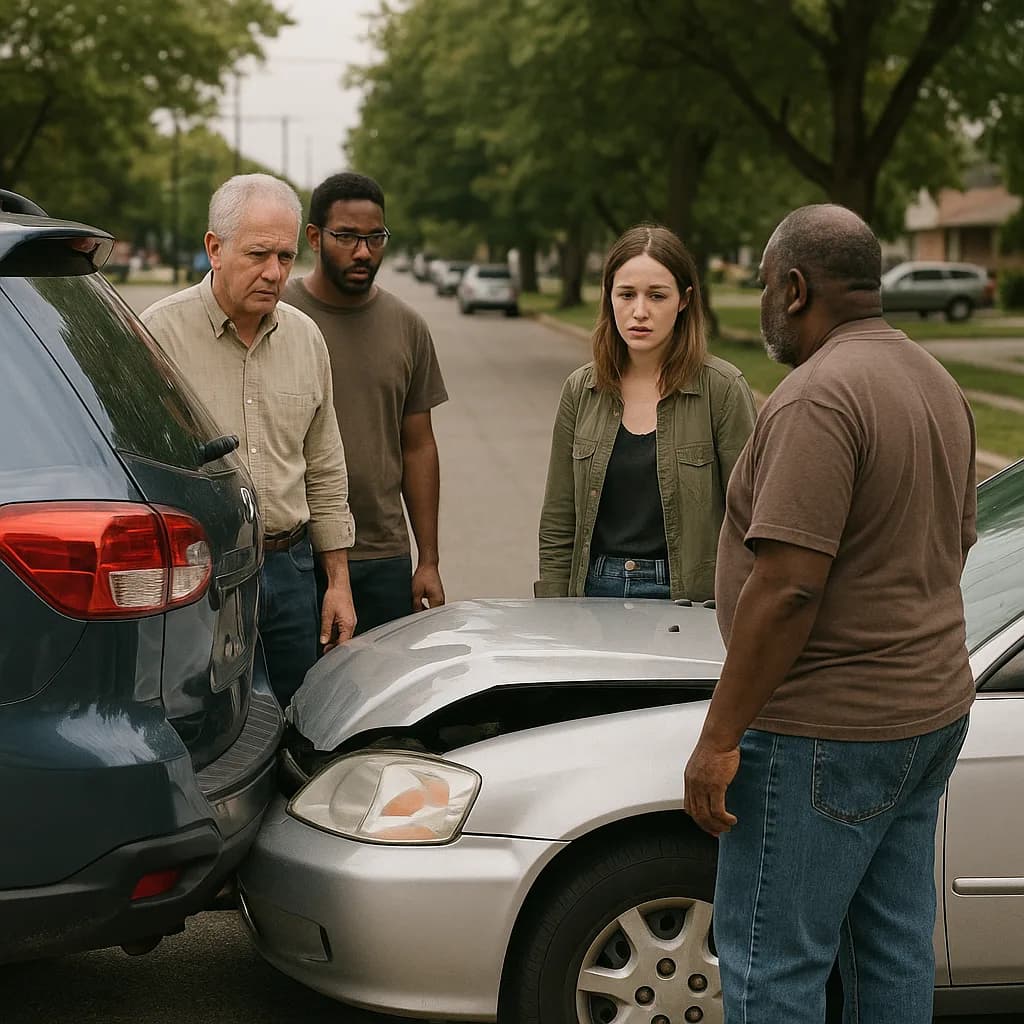
If you cause an accident while driving any vehicle listed on your policy, the same $25,000/$50,000/$10,000 limits apply regardless of which car you were in. The limits do not stack or multiply by the number of vehicles you own. A household with four cars on one policy has the same $50,000 total bodily injury limit per accident as a household with one car, unless they purchase higher limits.
That structure creates exposure for households with multiple drivers. If two household members cause separate accidents on the same day, each accident triggers the policy limits independently. But if one driver causes a multi-vehicle crash injuring several people, the $50,000 total limit is shared across all injured parties. The per-person $25,000 cap applies to each individual, but the $50,000 aggregate cap can be exhausted quickly when multiple people are hurt.
Related Articles



When Minimum Limits Leave You Personally Liable
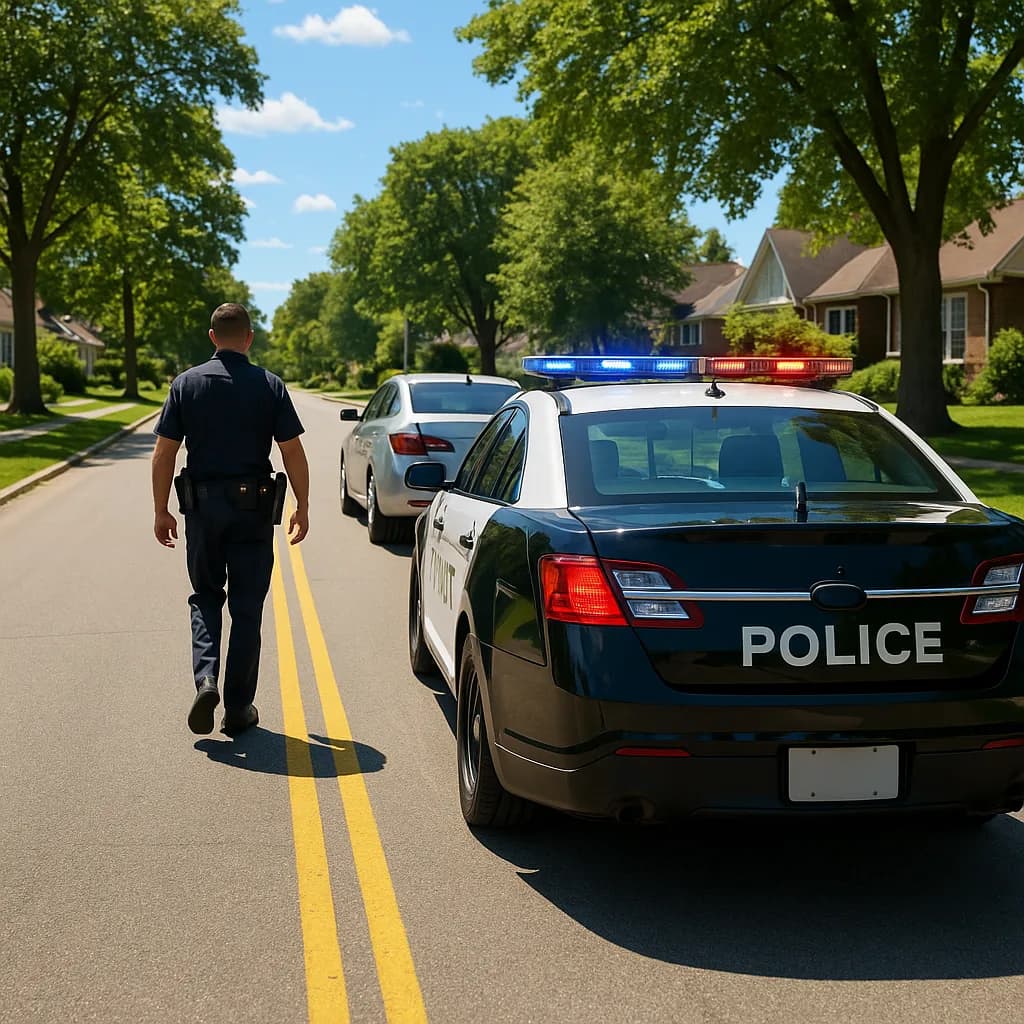
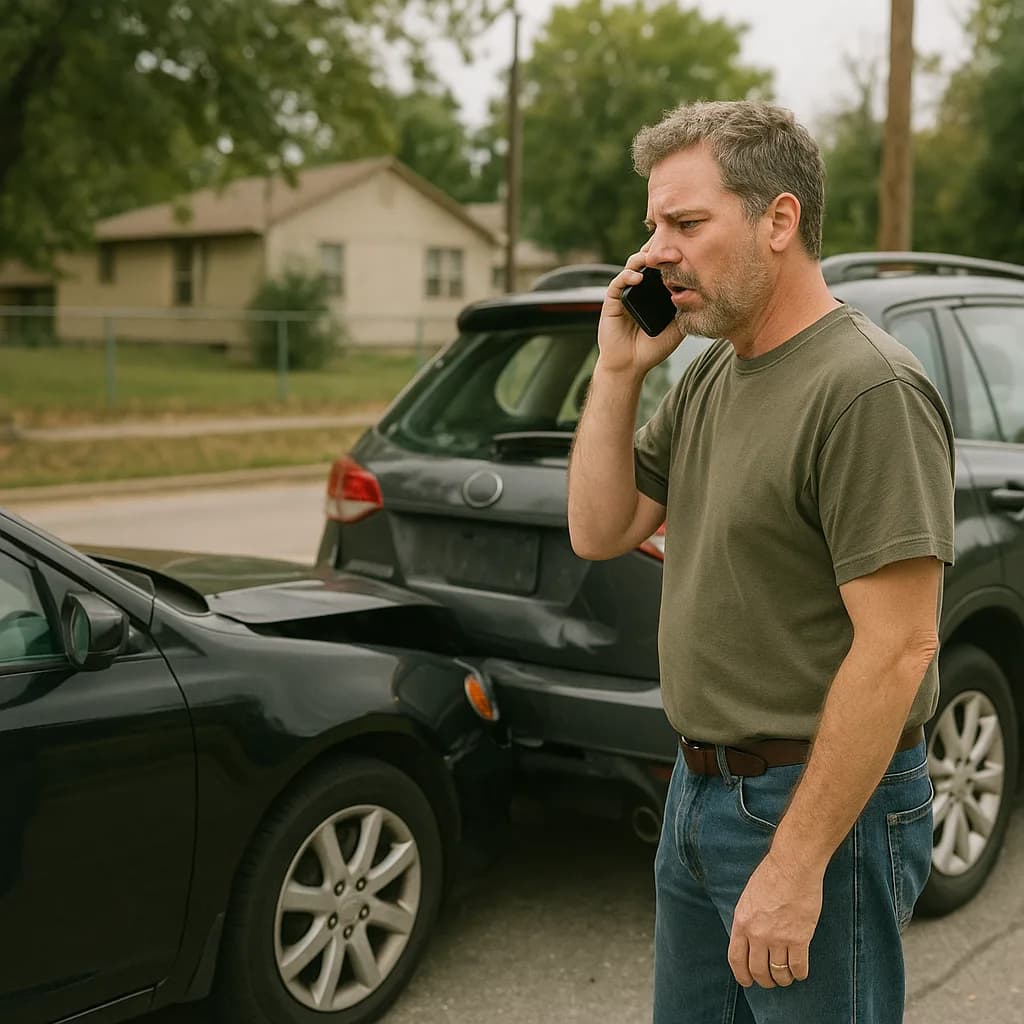
You cause an accident that injures three people. You owe the remaining $10,000 out of pocket.
Property damage works the same way. Your $10,000 property damage limit pays the first $10,000. That debt does not disappear. It can lead to wage garnishment, asset liens, or a civil judgment that follows you for years.
For households with multiple vehicles, the risk compounds. More cars mean more miles driven, more drivers on the policy, and more opportunities for a severe accident that exceeds minimum limits. A teenage driver, a long commute, or frequent highway driving all increase the probability of a claim that blows past $25,000 per person or $10,000 property damage.
Vermont Minimum Liability Limits
$25,000 / $50,000 / $10,000
These are the lowest liability limits you can carry and still register a vehicle in Vermont. Bodily injury per person, bodily injury per accident, and property damage per accident. Anything beyond these amounts becomes your personal financial responsibility.
Vermont Department of Motor Vehicles
Higher Limits and What They Cost
For multi-car households, higher limits spread the same incremental cost across several vehicles. The per-vehicle increase shrinks when you're already benefiting from the multi-car discount.
Compare Liability Limits Across Carriers
Fifteen carriers write auto insurance in Vermont, and each prices liability limits differently. Some carriers charge a steep jump from minimum to mid-tier limits; others spread the cost more evenly. The only way to know which structure fits your household is to request quotes at multiple limit levels from several carriers and compare the actual premium difference.
Start with the carriers licensed in Vermont that write policies for multi-car households: see the full Vermont carrier roster and state-specific coverage requirements. Compare the incremental cost against the additional protection each tier provides. For households with two or more vehicles, the gap between minimum limits and adequate coverage is often smaller than the cost of one additional vehicle on the policy.