
Average Car Insurance Premium — Vermont
Free to compare
What Vermont Drivers Actually Pay
You're budgeting for car insurance in Vermont and you need a baseline. The average annual auto insurance expenditure per insured vehicle in Vermont was $1,168.98 in 2023, according to state insurance statistics. That's the per-vehicle figure — if your household insures two cars, you're looking at roughly double that before any multi-car discount applies.
That average reflects all coverage tiers, all driver profiles, and all vehicle types across the state. Your household's actual premium depends on how many vehicles you insure on one policy, how many drivers share those vehicles, what coverage tier you choose beyond Vermont's minimum liability requirements, and where you garage the cars. The state minimum — $25,000 per person, $50,000 per accident for bodily injury, and $10,000 for property damage — sets the floor, but most households carry higher limits or add collision and comprehensive coverage.
“A household insuring three vehicles with full coverage will pay significantly more than three times the per-vehicle average.”

Compare Vermont Car Insurance Quotes Today
Get My Vermont Car Insurance Quote$1,168.98
Vermont Per-Vehicle Annual Expenditure
This 2023 figure represents the average annual auto insurance expenditure per insured vehicle across all coverage tiers and driver profiles in Vermont. Households insuring multiple vehicles multiply this baseline before applying any multi-car discount.
Vermont state insurance statistics, 2023
How Household Structure Moves Your Premium Off the Average
The per-vehicle average assumes one vehicle, one primary driver, and a standard risk profile. Your household's structure changes that baseline immediately. A two-car household with two drivers over 25, clean records, and liability-only coverage on both vehicles will land near the published average. Add a third vehicle, a teenage driver, or full coverage with low deductibles, and your total household premium climbs well above twice the per-vehicle figure.
Vermont requires uninsured motorist coverage and personal injury protection on every policy, so those mandates are already baked into the average. The variables that move your household off the baseline are the ones you control: how many vehicles sit on one policy, whether you carry collision and comprehensive, what deductible you choose, and whether any driver in the household has a recent violation or claim. The multi-car discount — typically applied when you insure two or more vehicles on the same policy — pulls your per-vehicle cost back down, but it doesn't eliminate the base-rate difference between minimum coverage and full coverage.
A household insuring three vehicles with full coverage and one driver under 25 will pay significantly more than three times the per-vehicle average. A household insuring two vehicles with liability-only coverage and two drivers over 50 will pay less than twice the average.
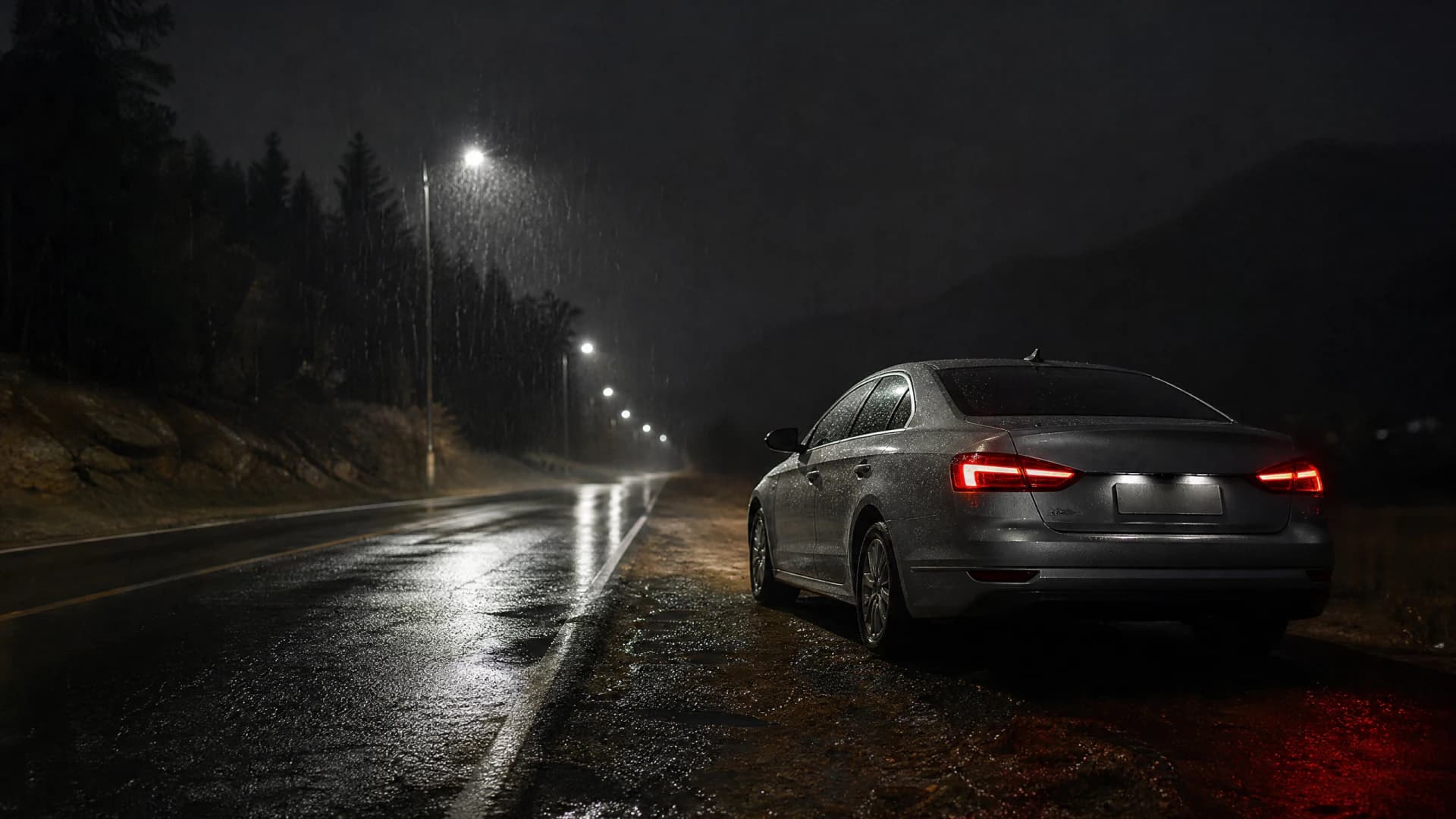
The per-vehicle average includes every coverage tier. Your household's actual premium depends on how many vehicles you insure together and what coverage you carry on each.


How the Multi-Car Discount Changes the Math
The multi-car discount applies when you insure two or more vehicles on the same policy. Most carriers in Vermont offer this discount, and it reduces the per-vehicle premium by bundling the risk. The discount does not apply if you insure one vehicle on your policy and a household member insures another vehicle on a separate policy — both vehicles must sit on the same policy to qualify.
The discount typically reduces your second vehicle's premium by a percentage of the base rate, and the third vehicle receives a similar or slightly larger reduction. The actual discount amount varies by carrier and by your base rate, so a household with a high base rate due to a young driver or recent violation sees a larger dollar reduction than a household with a low base rate. The percentage discount is consistent, but the dollar impact scales with your starting premium.
If your household owns three vehicles but only two are driven regularly, you can still insure all three on one policy to capture the multi-car discount. Carriers do not require that every vehicle be driven daily. A rarely-driven vehicle still needs liability coverage if it's registered and plated, and keeping it on the same policy as your daily drivers costs less than insuring it separately.
15 carriers
Vermont Auto Insurance Carriers
Vermont's market includes 15 carriers writing standard and non-standard auto insurance policies. Households insuring multiple vehicles should compare quotes from at least three carriers, because base rates and multi-car discount structures vary significantly across the roster.
Vermont carrier roster, 2025
Where to Find Your Household's Actual Premium
The per-vehicle average is a reference point, not a quote. Your household's actual premium comes from comparing quotes across carriers that write policies in Vermont. Carriers price the same household differently because they weight risk factors differently — one carrier may penalize a recent violation more heavily, another may offer a larger multi-car discount, and a third may have a lower base rate for your vehicle type.
When you request quotes, provide the same information to every carrier: the number of vehicles, the make and model of each, the primary driver for each vehicle, the coverage tier you want, and the deductible you're considering. The quotes you receive will vary, sometimes by 30 percent or more for the same coverage. That variance is why the state average is a starting point, not a ceiling or a floor.
Compare Carriers Writing Your Household's Vehicle Count
Vermont's carrier roster includes 15 insurers writing auto policies in the state, and not all of them price multi-vehicle households the same way. Some carriers specialize in households with multiple vehicles and offer deeper multi-car discounts; others have lower base rates but smaller discounts. The only way to know which carrier delivers the lowest total premium for your household is to compare quotes directly. Request quotes from at least three carriers, provide identical coverage specifications to each, and compare the total annual premium for all vehicles combined. That total — not the per-vehicle average — is the number that determines what you'll actually pay.
What Drives Premium Differences in Vermont
Driver age and driving record are the two largest non-coverage factors. A household with a driver under 25 pays substantially more than a household with only drivers over 30. A recent at-fault accident or moving violation adds a surcharge that persists for three to five years depending on the carrier and the severity of the incident. Vermont's uninsured motorist rate — 11.8 percent as of 2023 — is lower than the national average, but it still factors into base rates because carriers price for the risk of covering you when an uninsured driver hits you.
Coverage tier is the decision that moves premium the most. Vermont's minimum liability limits — $25,000 per person, $50,000 per accident, $10,000 property damage — set the floor. A household carrying full coverage on two newer vehicles will pay two to three times what a household carrying minimum liability on two older vehicles pays, even with identical driver profiles.
Get Your Free Quote
Get My Vermont Car Insurance QuoteFrequently Asked Questions
What is the average car insurance cost in Vermont per month?
Households insuring multiple vehicles on one policy multiply that baseline, then apply the multi-car discount. Your actual monthly cost depends on how many vehicles you insure, what coverage tier you carry, and your household's driver profile.
Does Vermont require uninsured motorist coverage?
Yes. Vermont requires uninsured motorist coverage on every auto insurance policy. The state also mandates personal injury protection. These requirements are already reflected in the average premium figures, so you cannot reduce your cost by dropping them.
How much does adding a second car to my policy cost in Vermont?
Adding a second vehicle to your Vermont policy costs less than insuring it separately because the multi-car discount applies. The exact cost depends on the vehicle's make, model, year, and the coverage tier you choose. Most households see the second vehicle's premium come in 10 to 20 percent lower than it would cost on a standalone policy, but the dollar amount varies by carrier and by your base rate.
What is the minimum car insurance required in Vermont?
Vermont requires $25,000 per person and $50,000 per accident for bodily injury liability, plus $10,000 for property damage. The state also mandates uninsured motorist coverage and personal injury protection. These minimums set the floor for legal compliance, but many households carry higher liability limits and add collision and comprehensive coverage.
How does a DUI affect car insurance rates in Vermont?
A DUI conviction in Vermont triggers a significant rate increase that persists for three to five years depending on the carrier. Vermont requires SR-22 filing for three years after a DUI, and not all carriers write policies for drivers with SR-22 requirements. Households with a DUI conviction should compare quotes from carriers that specialize in high-risk drivers, because base rates vary widely across the Vermont roster.
Can I insure three cars on one policy in Vermont?
Yes. Vermont carriers allow you to insure three or more vehicles on one policy, and doing so qualifies you for the multi-car discount on each vehicle after the first. All vehicles must be garaged at the same address and owned by household members to sit on the same policy.