
Auto Insurance Rates — Vermont
Free to compare
Vermont Multi-Car Insurance Cost Structure
You're looking at the cost of insuring two, three, or more vehicles in Vermont, and the first thing you need to understand is that Vermont's mandatory coverage requirements apply to every car on your policy. The state requires $25,000 bodily injury per person, $50,000 per accident, $10,000 property damage, plus personal injury protection (PIP) and uninsured motorist coverage on every vehicle. That base cost stacks across every car you add.
The multi-car discount reduces the per-vehicle premium when you insure multiple cars on one policy, but it does not eliminate the mandatory-coverage floor Vermont imposes on each vehicle. Households moving from states without PIP or uninsured-motorist mandates often underestimate Vermont's total cost because they expect liability-only pricing and discover a higher base.
“Vermont's PIP and uninsured-motorist mandates apply to every vehicle, creating a higher base cost per car than liability-only states allow.”

Compare Vermont Car Insurance Quotes Today
Get My Vermont Car Insurance Quote$1,168.98
Vermont Average Annual Expenditure
Vermont drivers paid an average of $1,168.98 per insured vehicle in 2023, according to NAIC data. This figure reflects the state's mandatory PIP and uninsured-motorist requirements, which add cost beyond basic liability.
NAIC Auto Insurance Database Report 2023
How Vermont's Mandatory Coverages Affect Multi-Car Households
Vermont is one of twelve states that mandate personal injury protection (PIP) and uninsured motorist coverage. PIP pays medical expenses for you and your passengers regardless of fault. Uninsured motorist coverage pays when the at-fault driver has no insurance. Both coverages are required on every vehicle you insure, and both add cost to the base premium.
When you add a second or third vehicle to your policy, the multi-car discount applies to the total premium, but each vehicle still carries the mandatory PIP and uninsured-motorist base. A household insuring three cars in Vermont pays the mandatory-coverage cost three times, even after the discount. States without these mandates allow liability-only policies at lower base rates, making Vermont's multi-car cost structure higher by design.
The practical consequence: Vermont households comparing single-policy versus separate-policy structures must account for the mandatory-coverage floor on every vehicle. Combining policies saves money through the multi-car discount, but the savings are smaller than in states where liability-only coverage is an option.
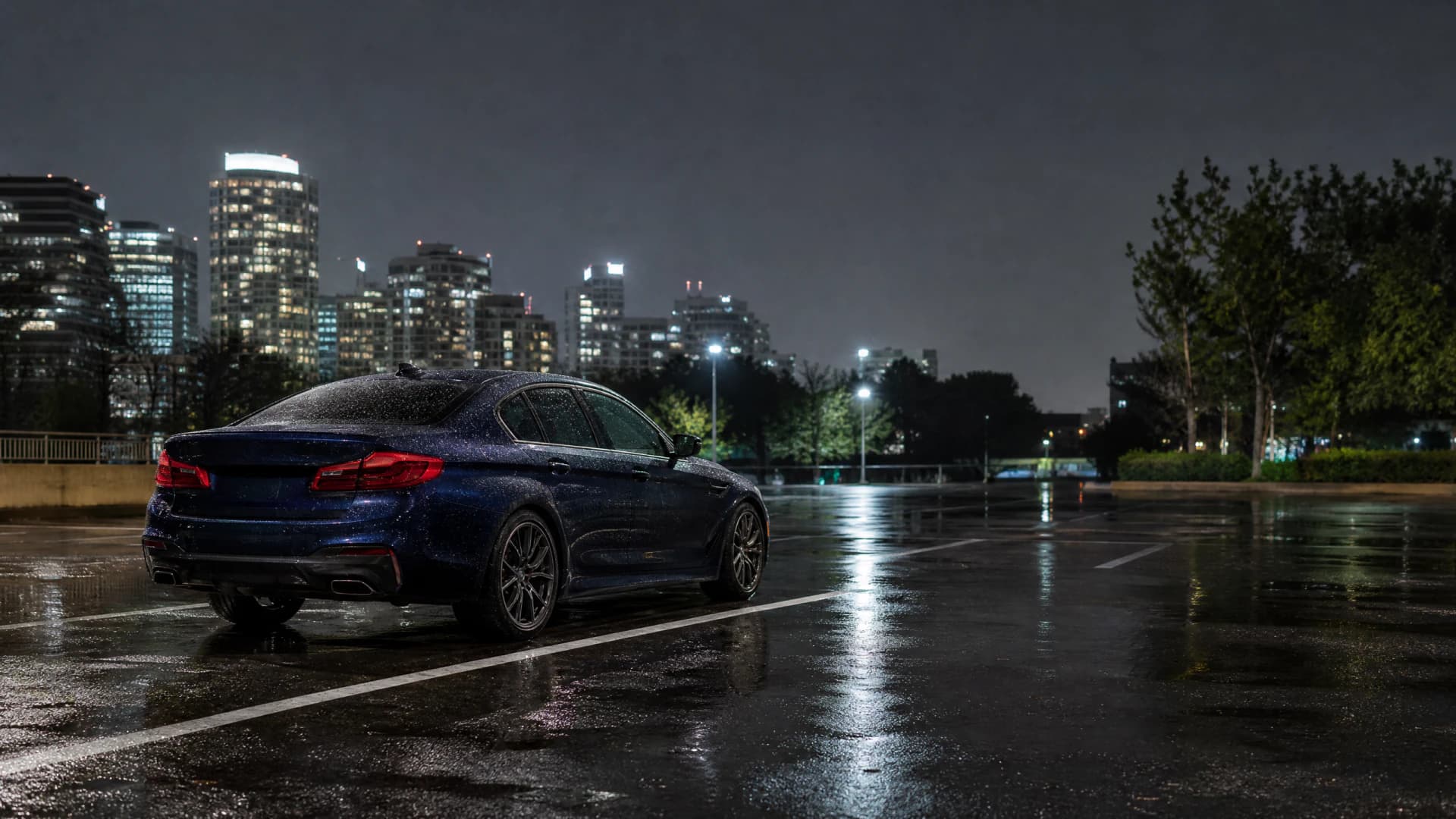
Vermont's PIP and uninsured-motorist mandates apply to every vehicle on your policy, creating a higher base cost per car than liability-only states allow.





Adding a Vehicle Mid-Term and Policy Re-Rating
When you add a vehicle to an existing policy, the carrier re-rates the entire policy rather than simply adding a flat amount for the new car. Re-rating recalculates the premium for every vehicle based on the updated household profile, including the new vehicle's make, model, year, and the driver assignment. The multi-car discount adjusts to reflect the new vehicle count, but the total premium increase is not always proportional to the cost of insuring one additional car.
Vermont carriers typically provide a grace period during which a newly purchased vehicle is covered under your existing policy without immediate notification. The grace period is usually fourteen to thirty days, depending on the carrier. If you do not report the new vehicle within the grace window, the carrier can deny a claim involving that car. Contact your carrier within one business day of purchase to confirm the grace period and initiate the re-rating process.
The re-rating can surface unexpected cost changes. Adding a high-value or high-performance vehicle increases the collision and comprehensive premium for that car, which can push the total policy premium higher even after the multi-car discount applies. Conversely, adding an older, low-value vehicle with liability-only coverage may produce a smaller total increase than you expect because the mandatory PIP and uninsured-motorist base is lower for liability-only configurations.
15
Vermont Licensed Carriers
Fifteen carriers write auto insurance in Vermont, including Geico, Progressive, State Farm, Allstate, USAA, Farmers, Nationwide, Liberty Mutual, and Travelers. Compare quotes from multiple carriers to identify the lowest total cost for your household's vehicle count and coverage needs.
Vermont Department of Financial Regulation carrier roster

Full Coverage Versus Liability-Only on Multi-Car Policies
Full coverage includes collision and comprehensive in addition to Vermont's mandatory liability, PIP, and uninsured-motorist coverages. Collision pays to repair your car after an accident regardless of fault. Comprehensive pays for non-collision damage such as theft, vandalism, weather, or animal strikes. Both coverages are optional in Vermont, and both add cost to the per-vehicle premium.
Households insuring multiple vehicles often carry full coverage on newer or financed cars and liability-only on older, paid-off vehicles. The decision threshold is the vehicle's current market value relative to the annual collision and comprehensive premium. When the annual premium for both coverages exceeds ten to fifteen percent of the car's value, liability-only coverage is typically the more cost-effective choice. Dropping collision and comprehensive on one or two older vehicles in a multi-car household reduces the total policy premium without affecting the multi-car discount eligibility.
Compare Carriers for Your Household's Vehicle Count
Vermont's multi-car discount structure varies by carrier, and the lowest-cost carrier for a single vehicle is not always the lowest-cost carrier for three or four vehicles. Base rates, discount percentages, and how carriers weight vehicle count, driver assignments, and garaging location all differ. The only way to identify the lowest total cost for your household is to compare quotes from multiple carriers writing multi-car policies in your county.
Request quotes that reflect your actual household configuration: the number of vehicles, each vehicle's make and model, the drivers assigned to each car, and the coverage selections for each vehicle. Specify whether you want full coverage or liability-only on each car. Provide your garaging address and confirm that every vehicle will sit on one policy to qualify for the multi-car discount. Compare the total annual premium across at least three carriers, and verify that each quote includes Vermont's mandatory PIP and uninsured-motorist coverages on every vehicle.
Multi-Car Discount Mechanics in Vermont
Most carriers require every vehicle to sit on the same policy and share a garaging address to qualify for the multi-car discount. A car titled to a household member on a separate policy does not count toward your discount, even if it is garaged at the same address. When you combine two existing policies after marriage or a household move, the discount applies only if every vehicle transfers to one shared policy.
The discount typically reduces the per-vehicle premium by a percentage of the base rate, but the percentage varies by carrier. A smaller discount on a lower base rate can produce a lower total cost than a larger discount on a higher base rate. Fifteen carriers write auto insurance in Vermont, including Geico, Progressive, State Farm, Allstate, and USAA. Compare quotes from at least three carriers that write multi-car policies in your county to identify the lowest total cost for your household's vehicle count and coverage selections.
Get Your Free Quote
Get My Vermont Car Insurance QuoteFrequently Asked Questions
Does Vermont require insurance on every car I own?
Yes. Vermont requires liability, PIP, and uninsured motorist coverage on every registered vehicle. You must maintain continuous coverage and provide proof of insurance at registration and renewal.
Can I insure multiple cars on one policy in Vermont?
Yes. Most carriers allow you to insure two or more vehicles on one policy and offer a multi-car discount when you do. The discount typically requires every vehicle to sit on the same policy and share a garaging address.
How much does the multi-car discount save in Vermont?
The discount percentage varies by carrier and household configuration. Compare quotes from multiple carriers to identify the lowest total cost for your vehicle count and coverage selections.
What happens if I add a car to my policy mid-term?
The carrier re-rates your entire policy to reflect the new vehicle, adjusting the multi-car discount and recalculating the premium for every car. Most carriers provide a grace period of fourteen to thirty days to report the new vehicle.
Do I need full coverage on every car in Vermont?
No. Collision and comprehensive are optional. Many households carry full coverage on newer vehicles and liability-only on older, paid-off cars to reduce the total premium while maintaining the multi-car discount.
Which carriers write multi-car policies in Vermont?
Fifteen carriers write auto insurance in Vermont, including Geico, Progressive, State Farm, Allstate, USAA, Farmers, Nationwide, Liberty Mutual, and Travelers. Compare quotes from at least three to find the lowest total cost.