
What Vermont Car Insurance Costs When You Insure Multiple Vehicles
You own two cars, or you're about to add a second vehicle to your existing Vermont policy, and you need to know whether combining them on one policy costs more or less than keeping them separate. The answer depends on how carriers re-rate your policy when you add a vehicle — and that mechanism is different from what most drivers expect.
Vermont requires $25,000 per person and $50,000 per accident in bodily injury liability, $10,000 in property damage liability, plus mandatory personal injury protection and uninsured motorist coverage. Every vehicle on your policy must meet those minimums. When you add a second car, the carrier re-rates the entire policy — both vehicles, all drivers — rather than simply adding a flat amount for the new car. The multi-car discount applies to the combined premium, but the base premium itself changes because the household's total exposure changed.
Compare car insurance rates in your state
Get quotes from licensed carriers — no obligation, no spam, results in minutes.
Get Your Free QuoteVermont Minimum Liability
Vermont requires $25,000 bodily injury per person, $50,000 per accident, and $10,000 property damage. PIP and uninsured motorist coverage are mandatory on top of those limits.
Vermont DMV
How Adding a Vehicle Re-Rates Your Entire Policy
The structural reality: when you add a second or third vehicle to an existing Vermont policy, the carrier does not calculate a separate premium for the new car and add it to your current bill. Instead, the carrier re-rates the entire policy as if you were buying coverage for all vehicles at once, then applies the multi-car discount to the combined total.
This means the premium for your first car can change — up or down — when you add the second one. If the new vehicle is newer, more expensive to repair, or driven by a younger household member, the re-rated policy may cost more than your original premium plus a simple add-on amount. If the new vehicle is older, lower-value, or rarely driven, the combined premium may rise less than you expected.
The multi-car discount typically reduces the combined premium by a percentage once two or more vehicles sit on the same policy. But that discount applies to the re-rated base, not to your original single-car premium. Carriers writing in Vermont that offer multi-car policies include State Farm, Geico, Progressive, Allstate, Farmers, USAA, Travelers, Liberty Mutual, Nationwide, Hartford, National General, The General, Dairyland, Amica, and Auto Club Enterprises.
Adding a vehicle re-rates your entire policy, not just the new car. The multi-car discount applies to the combined total, but the base premium itself changes.
What Drives the Combined Premium in Vermont
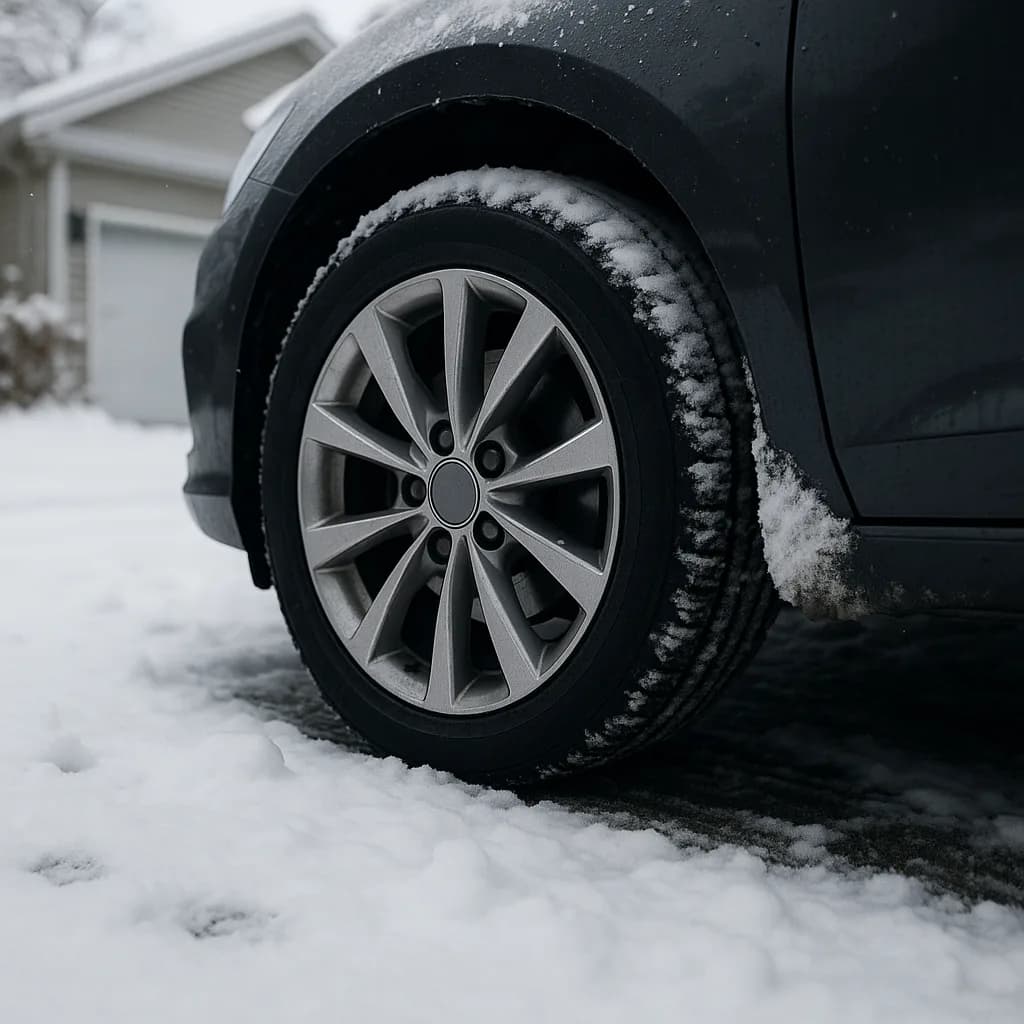
Each vehicle's year, make, model, and repair cost affects the collision and comprehensive portions of the premium. A 2015 sedan and a 2023 SUV carry different base rates even when both are driven the same number of miles. The carrier prices each vehicle's physical damage coverage separately, then combines them under one policy and applies the multi-car discount to the total.
Every driver listed on the policy affects the liability premium for every vehicle. If you add a second car and a teenage driver at the same time, the liability premium for both vehicles rises because the household's overall risk profile changed. The multi-car discount offsets part of that increase, but it does not eliminate it. Vermont's 11.8% uninsured motorist rate and mandatory uninsured motorist coverage requirement mean liability exposure is priced carefully across all household drivers.
Related Articles



When Combining Policies Saves Money and When It Does Not
Combining two separate single-car policies into one multi-car policy usually lowers the total household premium because the multi-car discount applies and because the carrier eliminates duplicate per-policy fees. But the savings depend on whether the vehicles and drivers on both policies are similar in risk profile.
If one spouse drives a 2018 sedan with a clean record and the other drives a 2022 truck with a recent speeding ticket, combining the policies may raise the sedan's portion of the premium because the household's overall risk increased. The multi-car discount offsets part of that increase, but the net result may still be higher than the original sedan-only premium. The truck's portion typically drops because it now qualifies for the multi-car discount.
The combined premium is almost always lower than the sum of two separate policies, but not always lower than the original premium for the lower-risk vehicle. If you need to keep premiums predictable for one vehicle, compare the combined quote against your current single-car premium for that vehicle specifically, not just against the household total.
Vermont Uninsured Motorist Rate
11.8%
That mandate adds cost but protects you when an at-fault driver has no coverage.
Insurance Information Institute
How to Structure Coverage Across Multiple Vehicles
Every vehicle on a Vermont multi-car policy must carry the state's minimum liability limits: $25,000 per person, $50,000 per accident, and $10,000 property damage, plus PIP and uninsured motorist coverage. You can choose different collision and comprehensive deductibles for each vehicle based on its value and how you use it.
A newer financed vehicle typically carries a $500 or $1,000 collision deductible because the lender requires physical damage coverage. An older paid-off vehicle driven occasionally may carry only liability, PIP, and uninsured motorist coverage with no collision or comprehensive at all. Structuring coverage this way keeps the combined premium lower than insuring every vehicle identically.
Compare Carriers That Write Multi-Car Policies in Vermont
Not every carrier prices multi-car policies the same way. Some apply a larger discount when you add a second vehicle; others price the combined policy more competitively from the start but offer a smaller percentage discount. The only way to know which structure costs less for your household is to compare quotes from multiple carriers writing in Vermont.
Request quotes that include every vehicle and every driver in your household. Provide the same coverage limits and deductibles to each carrier so the quotes are comparable. Compare the total annual or monthly premium, not just the discount percentage — a smaller discount on a lower base rate often beats a larger discount on a higher one. Fifteen carriers write multi-car policies in Vermont, and their pricing varies significantly by household composition, vehicle mix, and location within the state.