
National General Multi-Car Insurance — Vermont
Free to compare
National General Writes Vermont Multi-Car Policies
National General writes auto insurance in Vermont and accepts multi-vehicle policies. If you're managing two or more cars under one household, National General is a licensed standard-tier carrier in the state. The company operates nationwide and maintains an A+ financial strength rating from AM Best as part of the Allstate group.
The structural question most households face is whether every vehicle qualifies for the same-policy discount. National General's multi-car discount requires all vehicles to sit on one policy and be garaged at the same address. A car titled to a household member on a separate policy, or garaged elsewhere, does not count toward the discount even if it shares the same household.
“A vehicle titled to someone outside your household or garaged at a different address does not count toward the multi-car discount.”

Compare Vermont Car Insurance Quotes Today
Get My Vermont Car Insurance Quote$25,000 / $50,000 / $10,000
Vermont Minimum Liability Limits
Vermont requires $25,000 bodily injury per person, $50,000 per accident, and $10,000 property damage. Every vehicle on your policy must carry at least these minimums. Personal injury protection and uninsured motorist coverage are also mandatory.
Vermont DMV
Same-Policy Requirement and Garaging Address
National General's multi-car discount applies only when every vehicle is listed on the same policy and shares the same garaging address. This means a second car titled to a spouse, adult child, or household member must be added to your existing policy to qualify. A vehicle on a separate policy does not trigger the discount, even if both policies are with National General.
The garaging address is the location where the vehicle is parked overnight most of the time. If one household member keeps a car at a different address—a college student's dorm, a second home, or a work location—that vehicle may not qualify for the same-policy discount. Carriers use garaging address to calculate risk and premium, and a mismatch can disqualify the discount or require a separate policy.
When you add a vehicle mid-term, National General re-rates the entire policy rather than simply adding a flat amount. The new vehicle's make, model, year, and garaging location all factor into the recalculated premium. This re-rating can increase the total cost more than expected, especially if the added vehicle is newer, more expensive to repair, or garaged in a higher-risk ZIP code.
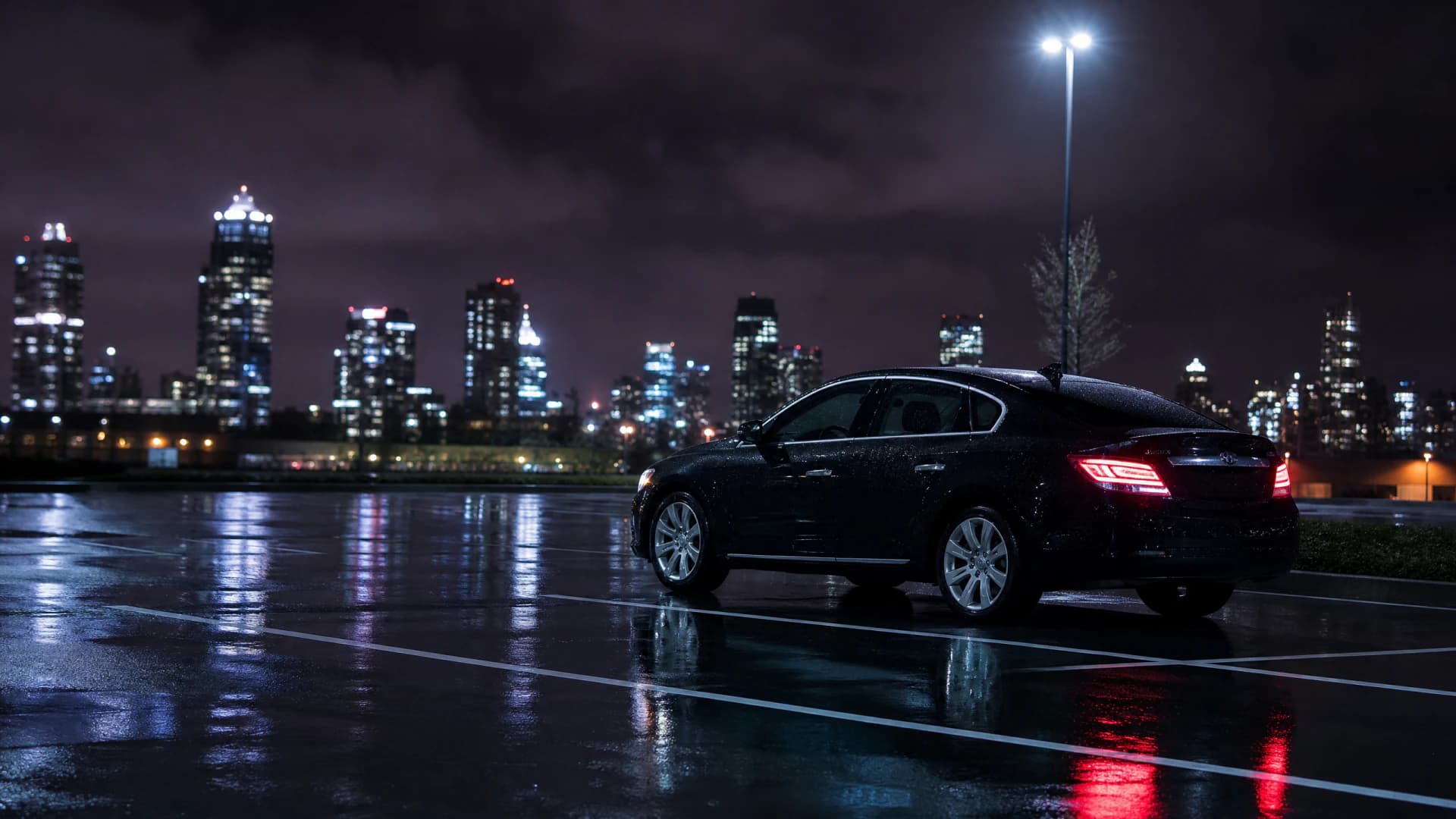
A vehicle titled to someone outside your household or garaged at a different address does not count toward National General's multi-car discount, even if it shares the same family.
Related Articles





Removing a Vehicle and Policy Re-Rating
When you remove a vehicle from your National General policy—selling it, transferring the title, or moving it to a separate policy—the carrier re-rates the remaining vehicles. The multi-car discount may shrink or disappear entirely if you drop below the minimum vehicle count required for the discount tier. Most carriers require at least two vehicles on the same policy to qualify for any multi-car discount.
If you're removing a vehicle because a household member is moving out or going to college, confirm whether the vehicle should stay on your policy or move to a separate one. A college student who takes a car to campus in another state may need to update the garaging address, which can change the premium significantly. Some carriers allow a temporary away-at-school discount if the student is more than 100 miles from home and does not have regular access to the vehicle.
National General will issue a revised policy declaration page showing the updated vehicle list, coverage limits, and premium. Review it carefully to confirm the multi-car discount still applies and that no coverage gaps exist. If the discount no longer applies, compare carriers that write multi-vehicle policies in Vermont to find a better rate.
15 carriers
Vermont Multi-Car Carriers
Fifteen carriers write multi-vehicle policies in Vermont, including National General, State Farm, Geico, Progressive, and Allstate. Each carrier structures the multi-car discount differently, and some require every vehicle to be garaged at the same address while others allow exceptions for college students or second homes.
Vermont carrier roster

Combining Policies After Marriage or a Move
When two households merge—after marriage, moving in together, or combining finances—you face a decision: keep two separate policies or combine every vehicle onto one. National General allows you to combine policies, but the combined premium is not always lower than the sum of the two separate policies. The combined policy re-rates based on every driver's record, every vehicle's risk profile, and the shared garaging address.
If one spouse has a clean record and the other has a recent violation, the combined policy will reflect both records. The multi-car discount may offset some of the increase, but not all of it. Compare the combined premium to the cost of keeping two separate policies. In some cases, keeping the higher-risk driver on a separate policy with a non-standard carrier produces a lower total household cost than combining everything onto one standard-tier policy.
Compare Carriers That Write Multi-Vehicle Policies in Vermont
National General is one of 15 carriers writing multi-vehicle policies in Vermont. If your household structure does not fit National General's same-policy and same-garaging-address requirements, compare carriers that allow exceptions for college students, second homes, or vehicles titled to household members on separate policies. State Farm, Geico, and Progressive all write multi-car policies in Vermont with different discount structures and garaging rules.
Use Vermont Car Insurance Requirements' comparison tool to see which carriers write your household's vehicle count and garaging configuration. Enter every vehicle, every driver, and every garaging address to get accurate quotes. The tool shows you which carriers offer the multi-car discount for your specific situation and which require separate policies.
Adding a Vehicle to Your National General Policy
Contact National General within the grace period—usually 14 to 30 days, depending on your policy terms—and provide the vehicle identification number, make, model, year, and garaging address. The carrier will re-rate your policy and confirm the new premium. If you miss the grace period, the vehicle may not be covered at claim time, and you may lose the multi-car discount on the remaining vehicles.
When the new vehicle is titled to someone not already listed on your policy, you must add that person as a named insured or listed driver. National General will pull their driving record and factor it into the re-rated premium. A household member with a recent violation or accident will increase the policy cost more than a clean-record driver. If the new driver is a teen or young adult, expect a significant premium increase regardless of the vehicle.
Get Your Free Quote
Get My Vermont Car Insurance QuoteFrequently Asked Questions
Does National General offer a multi-car discount in Vermont?
Yes. National General writes multi-vehicle policies in Vermont and offers a multi-car discount when every vehicle is listed on the same policy and garaged at the same address. The discount does not apply to vehicles on separate policies or garaged elsewhere.
Can I add a vehicle to my National General policy mid-term?
Yes. National General extends your existing coverage to a newly purchased vehicle for a limited grace period, typically 14 to 30 days. You must report the addition within that window to keep the multi-car discount and avoid coverage gaps.
What happens to my multi-car discount if I remove a vehicle?
National General re-rates your policy when you remove a vehicle. If you drop below the minimum vehicle count required for the discount tier, the discount may shrink or disappear. Review your revised policy declaration to confirm the discount still applies.
Can I combine two National General policies after marriage?
Yes. National General allows you to combine two policies onto one, but the combined premium is not always lower than the sum of the two separate policies. The combined policy re-rates based on every driver's record and every vehicle's risk profile.
Does National General require every vehicle to be garaged at the same address?
Yes. National General's multi-car discount requires all vehicles to share the same garaging address. A vehicle garaged elsewhere—at a college dorm, second home, or work location—may not qualify for the discount.
What if one household member's car is titled separately?
A vehicle titled to someone outside your policy does not count toward National General's multi-car discount. To qualify, the vehicle must be added to your policy and the owner must be listed as a named insured or driver.