
Uninsured Motorist Coverage — Vermont
Free to compare
Vermont Requires Uninsured Motorist Coverage
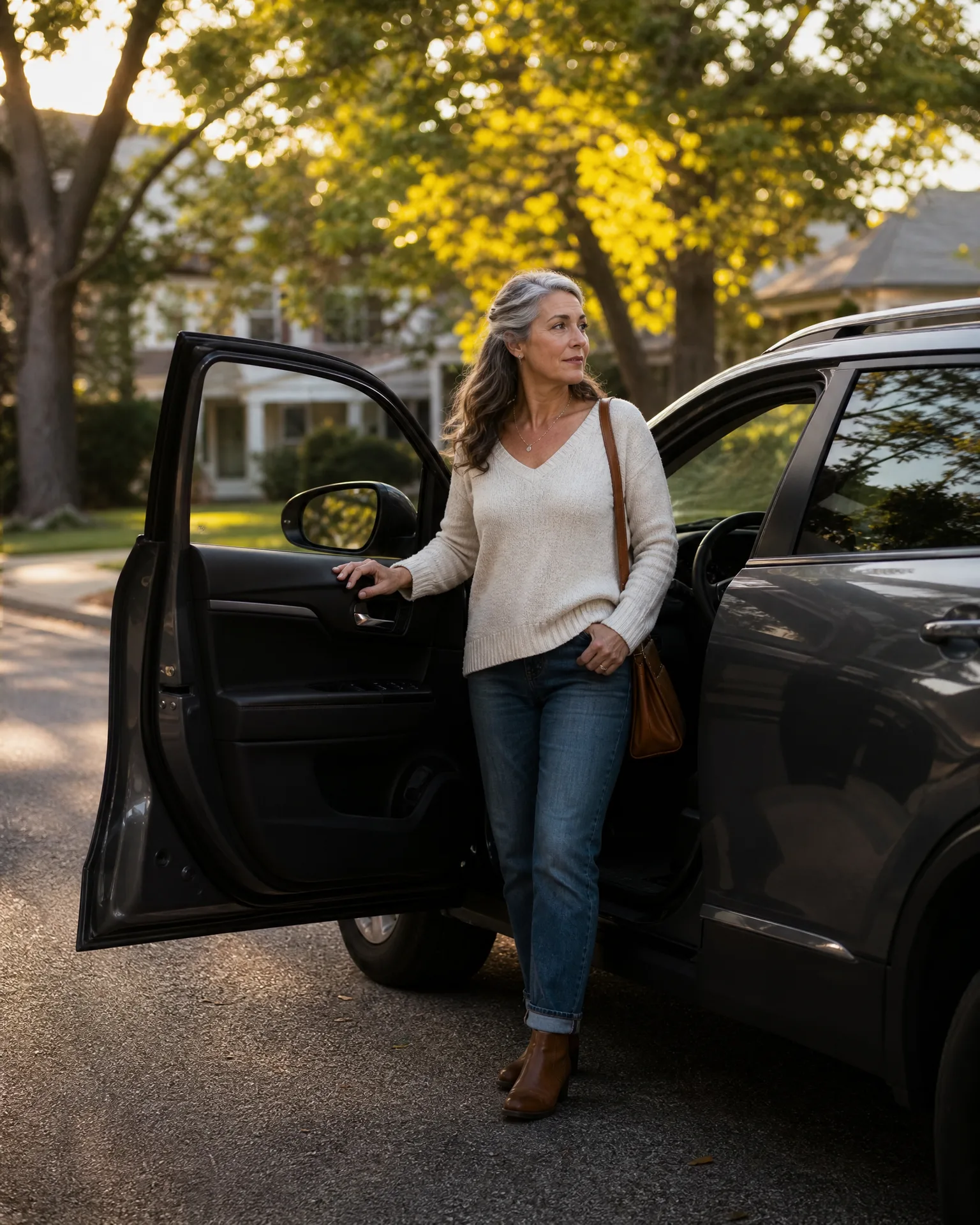
You're adding a second or third vehicle to your Vermont policy and the carrier shows uninsured motorist coverage on the quote. You didn't ask for it, but it's there — and the premium reflects it. Vermont law mandates uninsured and underinsured motorist coverage on every auto policy written in the state. You cannot decline it unless you reject it in writing, and most carriers build it into the base policy automatically.
The confusion starts when you realize the coverage limits don't multiply by the number of vehicles you insure. A household with three cars on one policy carries the same per-person and per-accident UM/UIM limits as a household with one car. The limits apply to the policy, not to each vehicle individually. That structure changes how you think about adequate protection when multiple household members drive multiple cars.
“UM/UIM limits apply per accident, not per vehicle — three cars on one policy share the same per-accident cap.”
Compare Vermont Car Insurance Quotes Today
Get My Vermont Car Insurance Quote11.8%
Vermont Uninsured Motorists
When one of them causes a crash, your uninsured motorist coverage pays your medical bills, lost wages, and vehicle damage up to your policy limits.
Insurance Information Institute, 2023
What Uninsured Motorist Coverage Actually Pays
Uninsured motorist bodily injury (UMBI) pays your medical expenses, lost income, and pain-and-suffering damages when an at-fault driver has no insurance. Underinsured motorist bodily injury (UIMBI) pays the gap when the at-fault driver's liability limits are too low to cover your injuries. Vermont requires carriers to offer both; most bundle them as UM/UIM.
Uninsured motorist property damage (UMPD) pays for vehicle repairs when an uninsured driver hits your car and you can identify the driver. Vermont does not mandate UMPD, but carriers must offer it. Collision coverage also pays for the same damage, so many households skip UMPD if they already carry collision on all vehicles.
The bodily injury component is the critical piece. Vermont's minimum liability requirement is $25,000 per person and $50,000 per accident for bodily injury. Your UM/UIM limits must match your liability limits unless you reject higher coverage in writing.
UM/UIM limits apply per accident, not per vehicle. Three cars on one policy share the same per-accident cap.
Related Articles


Stacking and Non-Stacking Policies
Some states allow UM/UIM stacking, where you multiply the per-person limit by the number of vehicles on the policy to create a higher effective limit. Vermont does not require stacking, and most carriers write non-stacking UM/UIM policies. Non-stacking means the per-person and per-accident limits apply once per accident, regardless of how many vehicles you insure.
A few carriers offer stacking as an optional endorsement. Stacking raises the premium, but it provides substantially more protection in a serious crash. Ask your carrier whether stacking is available and what it costs. Most Vermont households insure multiple vehicles on non-stacking policies and never realize stacking exists.
If stacking is not available or too expensive, the alternative is to raise your base UM/UIM limits.
$25,000 / $50,000
Vermont Minimum Liability
Vermont requires $25,000 per person and $50,000 per accident bodily injury liability, plus $10,000 property damage. Your UM/UIM limits must match your liability limits unless you reject higher coverage in writing.
Vermont DMV

Collision Versus UMPD on Multi-Car Policies
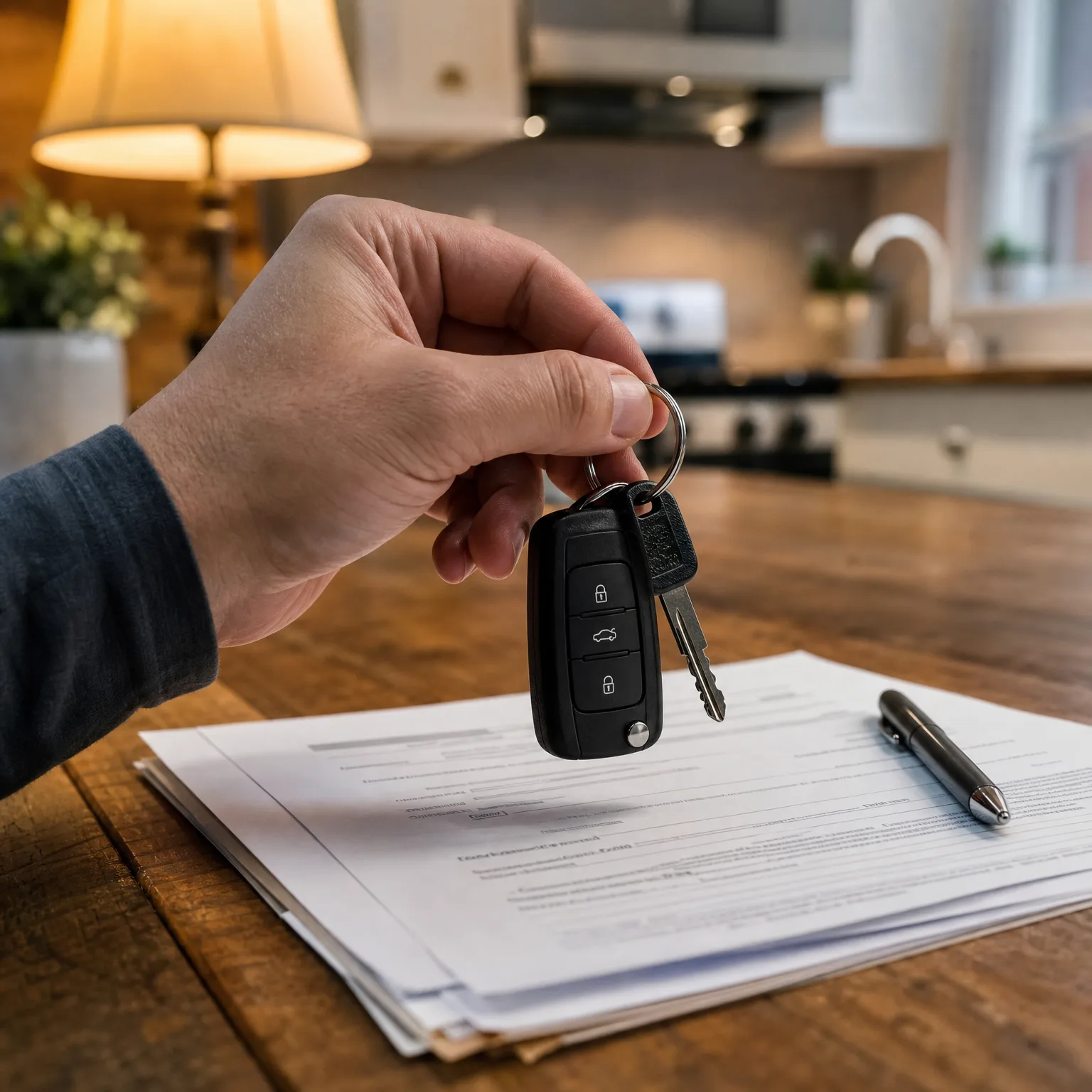
Uninsured motorist property damage pays for vehicle repairs when an uninsured driver hits your car and you can identify the driver. Collision coverage pays for the same damage, plus damage from crashes where the other driver is never identified or where you're at fault. If you carry collision on all vehicles, UMPD is redundant. If you carry collision on some vehicles but not others, UMPD fills the gap for the vehicles without collision.
Many Vermont households drop collision on older vehicles to save premium but keep liability and UM/UIM. In that case, adding UMPD to the policy provides some property-damage protection for the older car without paying for full collision coverage. UMPD typically costs less than collision because it only pays when an uninsured driver is identified and at fault. The tradeoff: if the other driver flees or cannot be identified, UMPD does not pay.
Compare Carriers That Write Multiple Vehicles
UM/UIM premium varies significantly by carrier, even when the coverage limits are identical. Some carriers price UM/UIM as a percentage of liability premium; others use flat rates per vehicle. When you're insuring multiple vehicles, the pricing method changes the total cost. A carrier that charges a flat UM/UIM rate per vehicle may cost more for a three-car household than a carrier that prices UM/UIM as a percentage of liability, especially if your liability limits are modest.
Carriers that specialize in multi-car policies — State Farm, Allstate, Geico, Progressive, and Nationwide all write Vermont policies and offer multi-car discounts — often provide better UM/UIM pricing for households insuring several vehicles. Compare quotes with identical liability and UM/UIM limits across at least three carriers. The difference in annual premium for the same coverage can exceed several hundred dollars when you're insuring multiple vehicles on one policy.
How Limits Work Across Multiple Vehicles
The fact that you insure three vehicles on the same policy does not raise that ceiling.
This structure matters when multiple household members drive. If your spouse is injured in one vehicle and your teenage driver is injured in a separate crash with an uninsured motorist the same week, each claim draws from the same per-person and per-accident limits. The policy does not reset limits per vehicle or per driver. Households with multiple drivers and multiple vehicles often carry higher UM/UIM limits than the state minimum for this reason.
Get Your Free Quote
Get My Vermont Car Insurance QuoteFrequently Asked Questions
Can I reject uninsured motorist coverage in Vermont?
Vermont allows you to reject UM/UIM coverage, but only in writing. Most carriers require a signed rejection form. If you do not explicitly reject it, the carrier must include UM/UIM on your policy at limits equal to your liability limits.
Do I need UMPD if I already have collision coverage?
No. Collision coverage pays for the same vehicle damage that UMPD covers, plus damage from hit-and-run crashes and at-fault accidents. If you carry collision on all vehicles, UMPD is redundant. UMPD makes sense only for vehicles without collision coverage.
What happens if an uninsured driver hits my parked car?
If you can identify the driver, uninsured motorist property damage (UMPD) pays for repairs. If the driver cannot be identified, UMPD does not pay — you need collision coverage to cover hit-and-run damage. Collision pays regardless of whether the other driver is identified.
Does Vermont require the same UM/UIM limits as my liability limits?
Vermont requires carriers to offer UM/UIM limits equal to your liability limits. You can reject higher limits in writing and choose lower UM/UIM coverage, but the carrier must offer matching limits first. Most households accept the matching limits because the premium difference is small.
Can I stack UM/UIM limits across multiple vehicles in Vermont?
Vermont does not require stacking, and most carriers write non-stacking UM/UIM policies. A few carriers offer stacking as an optional endorsement.
What is underinsured motorist coverage?
Underinsured motorist (UIM) coverage pays the gap when an at-fault driver's liability limits are too low to cover your injuries.