
Car Registration Insurance Requirements — Vermont
Free to compare
Vermont Blocks Registration Without Insurance Proof
You cannot register a car in Vermont without proving you carry active liability insurance that meets state minimums. The DMV clerk will not issue plates or complete registration until you show proof of coverage. This is not a suggestion or a grace period — it is a hard stop at the counter.
Vermont law requires every registered vehicle to carry liability coverage of at least $25,000 per person for bodily injury, $50,000 per accident for bodily injury, and $10,000 for property damage. You must also carry personal injury protection (PIP) and uninsured motorist coverage. The insurance policy must be in force before the DMV processes your registration application.
“The DMV will not issue plates without proof the insurance policy already covers the VIN you are registering.”

Compare Vermont Car Insurance Quotes Today
Get My Vermont Car Insurance Quote$25,000 / $50,000 / $10,000
Vermont Minimum Liability Limits
Vermont requires $25,000 bodily injury per person, $50,000 bodily injury per accident, and $10,000 property damage. PIP and uninsured motorist coverage are also mandatory. These minimums apply to every registered vehicle.
Vermont DMV
What Counts as Proof at the DMV Counter
Vermont DMV accepts an insurance ID card issued by your carrier, an SR-22 certificate filed electronically by the carrier, or a letter from your insurance company on company letterhead confirming active coverage. The document must show your name, the vehicle identification number (VIN), the policy number, the coverage effective date, and the liability limits.
A printed quote does not count. A binder letter counts only if it confirms coverage is already in force and lists the VIN. If you are registering a newly purchased vehicle, the insurance must list that specific VIN — coverage on your old car does not transfer automatically to the new one.
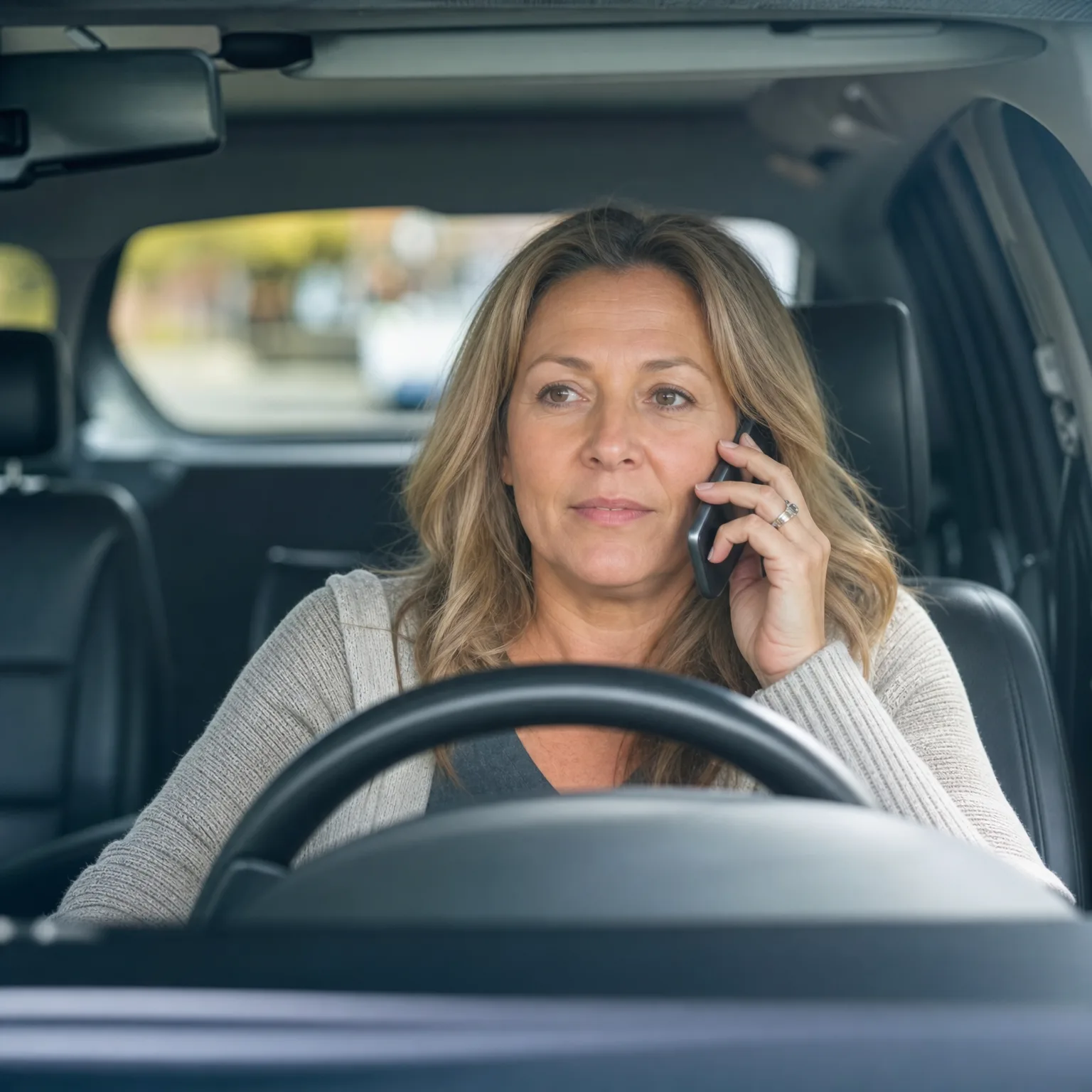
Most carriers issue digital ID cards through their mobile app. The DMV clerk will accept a phone screen showing the card as long as all required fields are visible. If you are registering in person and do not have proof with you, the clerk will not process the application. You will need to leave, contact your carrier, obtain proof, and return.

The DMV will not issue plates without proof the insurance policy already covers the VIN you are registering. A binder for a different car does not work.

PIP and Uninsured Motorist Coverage Are Mandatory
Vermont requires personal injury protection (PIP) on every registered vehicle. PIP pays medical expenses for you and your passengers after an accident, regardless of fault. The DMV will not register a vehicle without proof of PIP coverage listed on the insurance card or binder.
Vermont also mandates uninsured motorist (UM) coverage. UM pays for injuries you sustain when hit by a driver who carries no insurance or insufficient insurance. Both PIP and UM are part of the minimum coverage package — you cannot waive them to lower your premium. If your insurance card does not list PIP and UM, the DMV clerk will reject the registration application.
When you request a quote or add a vehicle, confirm the policy includes PIP and UM at the state-required levels. Most carriers writing in Vermont automatically include these coverages in every policy, but always verify before you go to the DMV.
15 carriers
Carriers Writing Vermont Auto Insurance
State Farm, Geico, Progressive, Allstate, USAA, Farmers, Liberty Mutual, Nationwide, Travelers, The General, National General, Dairyland, Hartford, Amica, and Auto Club Enterprises all write policies in Vermont. Most offer online quotes and same-day coverage.

Registration Timing and Coverage Gaps
If you let your insurance lapse after registration, Vermont DMV will suspend your registration and your license. The carrier reports the lapse electronically to the Commissioner of Motor Vehicles.
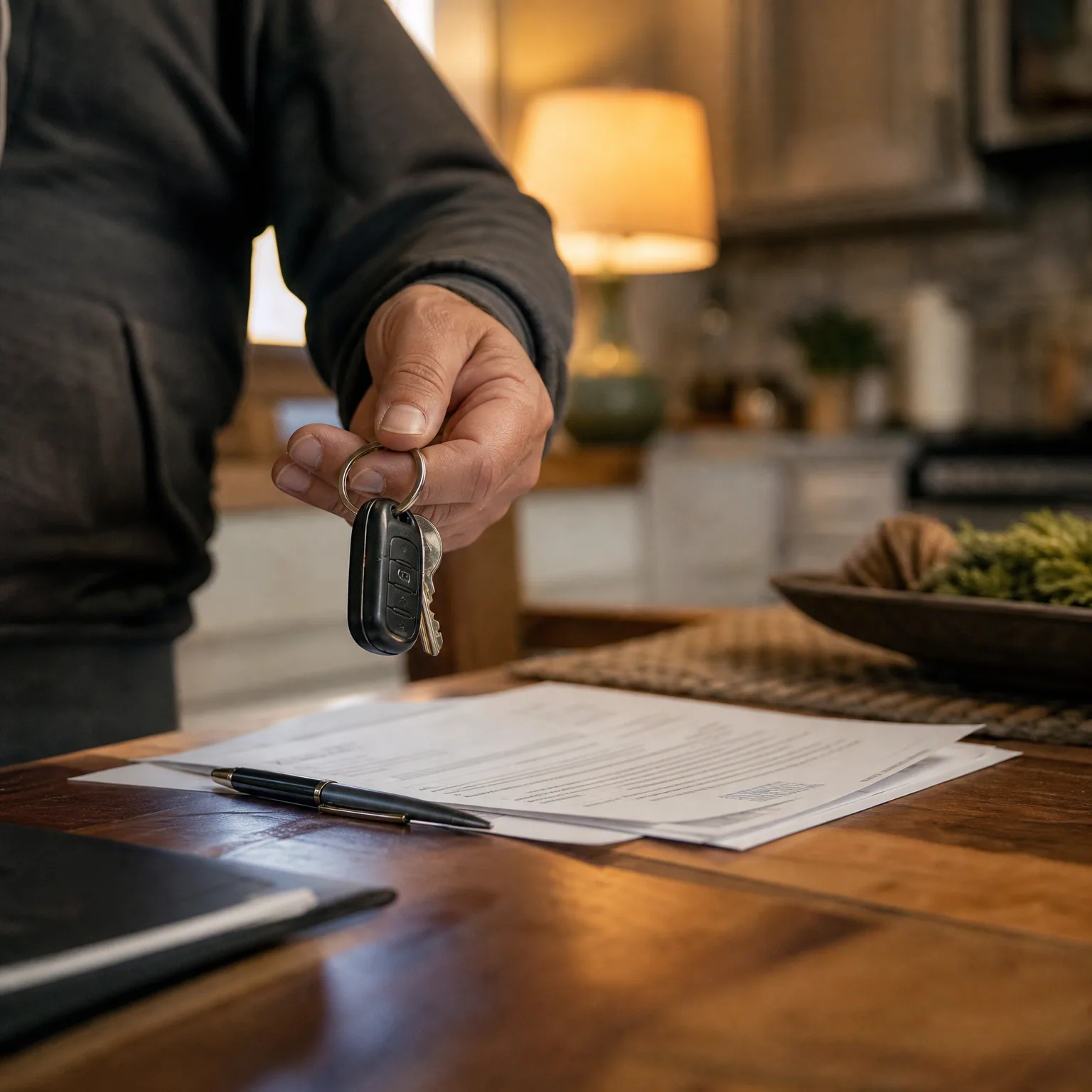
If you are transferring plates from one vehicle to another, contact your carrier first to confirm the policy covers the new VIN. Vermont DMV requires proof the insurance applies to the vehicle receiving the plates, not just proof you have a policy somewhere. A coverage gap of even one day between vehicles can trigger a suspension notice if DMV processes the transfer before the carrier updates the VIN.
Compare Carriers Before You Register
Vermont's mandatory PIP and uninsured motorist requirements mean every policy carries the same baseline coverages, but premiums vary widely by carrier. Before you register a newly purchased vehicle, compare quotes from at least three carriers writing in Vermont. State Farm, Geico, and Progressive all offer online quotes with same-day coverage. USAA serves military families and typically offers competitive rates for drivers with clean records.
Request quotes that include the VIN of the vehicle you plan to register. Confirm each quote lists liability at or above $25,000/$50,000/$10,000, plus PIP and uninsured motorist coverage. Once you select a carrier and bind coverage, request proof of insurance in a format Vermont DMV accepts: an ID card listing the VIN, an SR-22 certificate if required, or a binder letter on company letterhead. Bring that proof to the DMV when you register the vehicle.
How to Add a Vehicle Before Registration
Call your carrier or log into your account. Provide the VIN, make, model, year, and the date you plan to take ownership. The carrier will add the vehicle to your existing policy and issue a new ID card or binder letter immediately. If you do not yet have an auto insurance policy in Vermont, you must purchase one before registration. Carriers writing in Vermont include State Farm, Geico, Progressive, Allstate, USAA, Farmers, Liberty Mutual, Nationwide, Travelers, The General, National General, Dairyland, Hartford, Amica, and Auto Club Enterprises.
Once the carrier confirms coverage, ask for proof in a format the DMV accepts: an ID card with the new VIN listed, an SR-22 if required, or a binder letter on company letterhead. Most carriers email or text the proof within minutes. Print it or save it to your phone before heading to the DMV. If you are registering the same day you buy the car, complete the insurance addition before you leave the dealership or the seller's location.
Get Your Free Quote
Get My Vermont Car Insurance QuoteFrequently Asked Questions
Can I register a car in Vermont without insurance?
No. Vermont DMV requires proof of active liability, PIP, and uninsured motorist coverage before issuing registration. The insurance must list the VIN of the vehicle you are registering. Without proof at the counter, the clerk will not process your application.
What proof of insurance does Vermont DMV accept?
Vermont DMV accepts an insurance ID card showing your name, the VIN, policy number, effective date, and coverage limits. The DMV also accepts an SR-22 certificate filed electronically by your carrier, or a binder letter on company letterhead. A printed quote does not count as proof.
Do I need PIP to register a car in Vermont?
Yes. Vermont requires personal injury protection (PIP) and uninsured motorist (UM) coverage on every registered vehicle. Your insurance card must list both coverages. The DMV will reject your registration application if PIP or UM is missing from the proof you provide.
What happens if I let my insurance lapse after registration?
Vermont DMV will suspend your registration and your driver's license. Your carrier reports the lapse electronically to the Commissioner of Motor Vehicles.
Can I use my phone to show proof of insurance at the DMV?
Yes. Vermont DMV accepts a digital insurance ID card displayed on your phone as long as all required fields are visible: your name, the VIN, policy number, effective date, and liability limits. Most carriers issue digital ID cards through their mobile app.
How do I add a newly purchased vehicle to my insurance before registration?
Contact your carrier by phone or through their app before you go to the DMV. Provide the VIN, make, model, year, and ownership date. The carrier will add the vehicle to your policy and issue a new ID card or binder letter immediately, usually within minutes.