
Self-Insuring a Vehicle — Vermont
Free to compare
Vermont Requires Carrier-Issued Liability Coverage
You cannot self-insure a personal vehicle in Vermont. State law requires every registered vehicle to carry liability coverage issued by a licensed insurance carrier, with minimum limits of $25,000 per person for bodily injury, $50,000 per accident for bodily injury, and $10,000 for property damage. The state does not recognize individual self-insurance bonds, certificates of deposit, or cash deposits as substitutes for a carrier-issued policy.
This requirement applies equally to every vehicle you own. A household insuring two or more cars cannot self-insure one vehicle while carrying a traditional policy on the others. Vermont's Department of Motor Vehicles will not register or renew a vehicle without proof of carrier-issued liability coverage meeting the statutory minimums.
“Vermont law requires every registered vehicle to carry liability coverage issued by a licensed carrier; no self-insurance pathway exists for individual owners.”

Compare Vermont Car Insurance Quotes Today
Get My Vermont Car Insurance Quote$25,000/$50,000/$10,000
Vermont Minimum Liability Limits
Every registered vehicle must carry at least $25,000 per person for bodily injury, $50,000 per accident for bodily injury, and $10,000 for property damage. These limits apply to each vehicle on your policy, not to the policy as a whole.
Vermont Department of Motor Vehicles
Why Individual Self-Insurance Is Not Available
Vermont's insurance statute requires proof of financial responsibility through a licensed carrier. The state does not maintain a self-insurance certification program for individual vehicle owners. Self-insurance pathways exist in some states for large commercial fleets that can demonstrate sufficient assets to cover potential liability claims, but Vermont does not extend this option to private passenger vehicles.
The practical reason is straightforward: liability coverage protects other drivers you injure in an at-fault accident. A self-insurance bond or deposit would require the state to administer claims, verify asset liquidity, and enforce payment to injured parties. Vermont delegates that responsibility to licensed carriers, which must meet solvency requirements and participate in the state's claims oversight framework.
If you own multiple vehicles and want to reduce coverage costs, the multi-car discount on a single policy with one carrier is the mechanism Vermont's system provides. You cannot opt out of carrier-issued coverage by posting a bond or demonstrating personal assets.

Vermont law does not recognize individual self-insurance bonds, cash deposits, or asset demonstrations as substitutes for carrier-issued liability coverage on any registered vehicle.
Related Articles


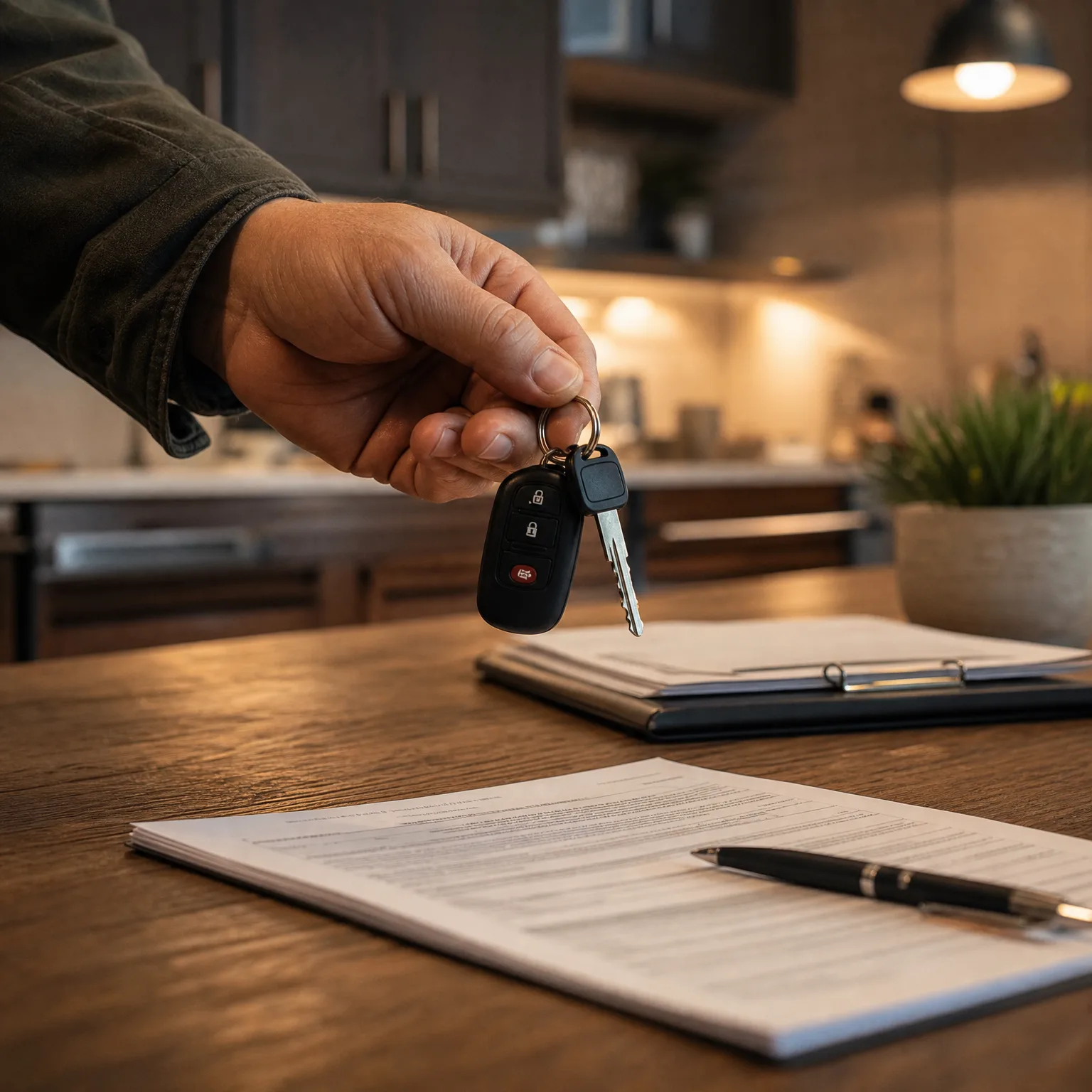




Multi-Vehicle Households and Coverage Structure
Households insuring two or more vehicles typically place every car on a single policy to qualify for the multi-car discount. Vermont carriers writing multi-vehicle policies include State Farm, Geico, Progressive, Allstate, Liberty Mutual, Nationwide, Travelers, USAA, Farmers, and National General. The discount applies when every vehicle is listed on the same policy and garaged at the same address.
You cannot self-insure one vehicle and carry traditional coverage on the others. Each vehicle must have carrier-issued liability coverage to remain registered. If you own a rarely-driven vehicle and want to reduce costs, your options are to maintain liability-only coverage on that car, add it to your existing multi-car policy to capture the discount, or surrender the registration and store the vehicle unregistered.
Some households explore whether titling a vehicle to a different household member creates a self-insurance pathway. It does not. Vermont's requirement applies to the vehicle, not the owner. A car titled to your spouse, adult child, or other household member still requires carrier-issued liability coverage to remain registered, and that vehicle will not count toward your multi-car discount unless it sits on the same policy.
15 carriers
Licensed Multi-Vehicle Carriers in Vermont
At least 15 licensed carriers write multi-vehicle policies in Vermont, including State Farm, Geico, Progressive, Allstate, Liberty Mutual, Nationwide, Travelers, USAA, Farmers, National General, Dairyland, The General, Hartford, Amica, and Auto Club Enterprises. Comparing quotes across carriers that write your household's vehicle count is the primary cost-reduction mechanism available.
Vermont Department of Financial Regulation carrier roster

Commercial Fleet Exception Does Not Apply to Personal Vehicles
Vermont statute allows certain commercial entities operating large fleets to self-insure if they meet strict financial and administrative criteria. This exception requires demonstration of sufficient liquid assets to cover potential claims, posting of a surety bond, and ongoing reporting to the Department of Financial Regulation. The program is designed for businesses operating dozens or hundreds of vehicles, not for individuals managing household cars.
You cannot access the commercial self-insurance program by forming an LLC, titling your vehicles to a business entity, or restructuring ownership. The state evaluates fleet size, claims history, and financial reserves. A household with two, three, or even ten personal vehicles does not meet the threshold, and restructuring ownership to appear commercial does not change the underlying requirement that each vehicle carry liability coverage.
Compare Carriers Writing Your Vehicle Count
Vermont's requirement that every vehicle carry carrier-issued liability coverage means your cost-reduction path runs through the multi-car discount and carrier comparison. Carriers price multi-vehicle policies differently: one may offer a larger discount but start from a higher base rate, while another offers a smaller discount on a lower base. The carrier writing the best rate for one vehicle may not write the best rate for three.
Request quotes from at least three carriers writing multi-vehicle policies in Vermont. State Farm, Geico, and Progressive write the largest volume of multi-car policies statewide, but Allstate, Liberty Mutual, Nationwide, USAA, and Travelers also compete in this segment. Provide each carrier with the same vehicle details, driver information, and coverage selections so you compare equivalent policies. The multi-car discount applies automatically when you list every household vehicle on the same policy; you do not need to request it separately.
What Happens If You Register Without Coverage
When you register a vehicle, the DMV requires proof of liability coverage meeting the minimum limits. If coverage lapses after registration, your carrier notifies the DMV electronically. This suspension is separate from any traffic citation or accident-related penalty.
Vermont does not offer a grace period for self-insurance exploration. The moment your carrier-issued coverage ends, you are driving uninsured under state law. If you are involved in an at-fault accident while uninsured, you face the reinstatement fee, potential civil liability for damages exceeding your ability to pay, and a three-year SR-22 filing requirement once you reinstate your license.
Get Your Free Quote
Get My Vermont Car Insurance QuoteFrequently Asked Questions
Can I self-insure one car in Vermont if I have insurance on my other vehicles?
No. Vermont requires every registered vehicle to carry carrier-issued liability coverage meeting the state's minimum limits. You cannot self-insure one vehicle while maintaining traditional coverage on others. Each car must have its own liability coverage to remain registered.
Does Vermont accept a bond or cash deposit instead of car insurance?
No. Vermont does not recognize individual self-insurance bonds, certificates of deposit, or cash deposits as substitutes for carrier-issued liability coverage. The state requires proof of insurance from a licensed carrier for every registered vehicle.
Can I form an LLC to self-insure my personal vehicles in Vermont?
No. Vermont's commercial self-insurance program is limited to large fleet operators that meet strict financial and administrative criteria. Titling personal vehicles to an LLC does not qualify you for self-insurance, and each vehicle still requires carrier-issued liability coverage to remain registered.
What happens if I let my car insurance lapse in Vermont?
Your carrier notifies the Vermont DMV electronically when coverage lapses. If you are involved in an at-fault accident while uninsured, you face additional penalties including a three-year SR-22 filing requirement.
How do I reduce insurance costs on multiple vehicles in Vermont?
Place every household vehicle on a single policy with one carrier to qualify for the multi-car discount. Compare quotes from at least three carriers writing multi-vehicle policies in Vermont, including State Farm, Geico, Progressive, Allstate, and Liberty Mutual. The discount applies automatically when all vehicles are listed on the same policy and garaged at the same address.