
Minimum Coverage vs Full Coverage — Vermont
Free to compare
The Multi-Vehicle Minimum Coverage Question
You own two cars and you're deciding whether to carry Vermont's minimum liability on both vehicles or add collision and comprehensive to one or both. The state minimum sounds cheaper, but you're not sure whether it actually protects your household or just keeps you legal on paper.
Vermont's minimum coverage is not just liability. The state mandates personal injury protection and uninsured motorist coverage on top of the $25,000/$50,000/$10,000 liability floor, which means your minimum policy already carries more protection than most states require. That changes the cost comparison and the coverage gap between minimum and full coverage for households insuring multiple vehicles.
“Vermont's mandatory PIP and uninsured motorist requirements mean your minimum policy already costs more than liability-only states.”
Compare Vermont Car Insurance Quotes Today
Get My Vermont Car Insurance Quote$25,000/$50,000/$10,000
Vermont Minimum Liability
Vermont requires $25,000 bodily injury per person, $50,000 per accident, and $10,000 property damage. Personal injury protection and uninsured motorist coverage are also mandatory, raising the baseline cost above liability-only states.
Vermont DMV
What Vermont Minimum Coverage Actually Includes
Vermont minimum coverage is bodily injury liability at $25,000 per person and $50,000 per accident, property damage liability at $10,000, personal injury protection, and uninsured motorist coverage. The PIP and uninsured motorist mandates are not optional: every policy sold in Vermont must carry them.
This structure means Vermont's minimum is more comprehensive than the liability-only minimum in states that do not mandate PIP or uninsured coverage. Your minimum policy already covers your own medical bills through PIP and protects you when an uninsured driver hits you. What it does not cover is damage to your own vehicles.
Full coverage adds collision and comprehensive to the minimum base. Collision pays to repair or replace your car after an accident regardless of fault. Comprehensive covers theft, weather damage, vandalism, and animal strikes. Neither is required by Vermont law, but both protect the asset value of your vehicles.

Vermont's mandatory PIP and uninsured motorist requirements mean your minimum policy already costs more than liability-only states, narrowing the price gap to full coverage.



When Full Coverage Makes Sense on Both Vehicles
Full coverage is the right choice when you cannot afford to replace either vehicle without insurance paying the claim. If you financed or leased either car, the lender requires collision and comprehensive until the loan is paid off. If you own both cars outright but their combined value represents a significant household asset, full coverage protects that value.
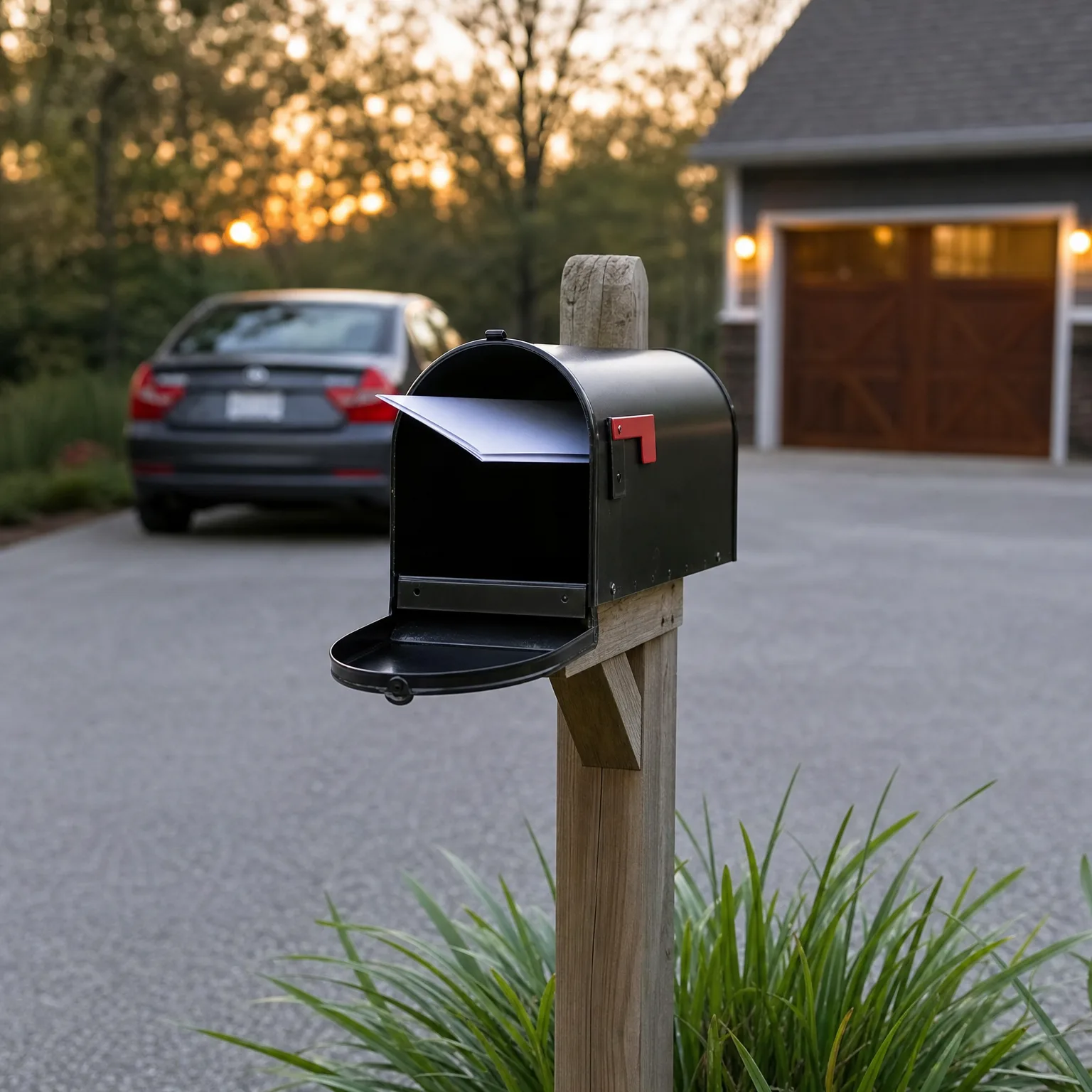
Collision covers accidents you cause, accidents where the other driver is uninsured or underinsured beyond your uninsured motorist limits, and single-vehicle incidents like sliding off an icy road. Comprehensive covers non-collision losses: a tree falls on your car during a storm, your car is stolen from your driveway, a deer runs into you on a rural Vermont road. These are not rare scenarios in Vermont, and comprehensive premiums reflect the state's weather and wildlife risk.
The decision often hinges on whether the household can handle a total loss on one or both vehicles without financial strain. If losing one car means taking on debt to replace it, full coverage is worth the higher premium. If you can replace the car from savings without disrupting your budget, minimum coverage may be the more efficient choice.
11.8%
Vermont Uninsured Motorist Rate
Your uninsured motorist coverage pays when an uninsured driver damages your car, but it does not cover your own vehicle if you carry only minimum liability.
Insurance Research Council, 2023
The Multi-Car Discount and Coverage Decisions
Most carriers writing in Vermont offer a multi-car discount when you insure two or more vehicles on the same policy. The discount typically applies to the liability portion of the premium, which means it reduces the base cost on both minimum and full coverage policies. The discount does not change whether full coverage makes sense for your household, but it does lower the total cost of either choice.
When you add collision and comprehensive to one vehicle but not the other, the multi-car discount still applies to the shared liability base. Some households structure coverage this way intentionally: full coverage on the newer financed car, minimum coverage on the older paid-off car, both vehicles on one policy to capture the discount. This approach balances protection and cost across the household's vehicle mix.
Compare Carriers Writing Multi-Vehicle Policies in Vermont
Fifteen carriers write multi-vehicle policies in Vermont, including Allstate, Farmers, Geico, Progressive, State Farm, and USAA. Each prices minimum and full coverage differently based on your household's driving history, vehicle mix, and garaging location. The carrier that offers the lowest minimum-coverage premium may not offer the lowest full-coverage premium, and the price difference between minimum and full varies significantly by carrier.
Request quotes for both minimum and full coverage on each vehicle from at least three carriers. Compare the annual cost difference between the two structures against the combined market value of your vehicles. If the annual cost to add collision and comprehensive to both cars is less than 10% of their combined value, full coverage is usually the better risk transfer. If the cost exceeds 15-20% of combined value, minimum coverage may be the more efficient choice for older vehicles.
When Minimum Coverage Works for Multi-Vehicle Households
If both cars are older, paid off, and worth less than a few thousand dollars each, adding collision and comprehensive may cost more over two or three years than replacing the vehicles outright. A $500 or $1,000 deductible on an older car means you pay most minor repairs yourself anyway, and the premium you save by dropping collision can exceed the car's market value within a few policy terms.
Households that can absorb the loss of one vehicle without financing a replacement often carry minimum coverage on the lower-value car and full coverage on the newer or more expensive one. This splits the risk: you protect the asset that matters most and accept the exposure on the vehicle you could replace out of pocket if necessary.
Get Your Free Quote
Get My Vermont Car Insurance QuoteFrequently Asked Questions
Does Vermont require collision and comprehensive coverage?
No. Vermont requires liability, personal injury protection, and uninsured motorist coverage, but collision and comprehensive are optional. Lenders require them if you finance or lease a vehicle.
Can I carry full coverage on one car and minimum coverage on the other?
Yes. You can structure coverage differently for each vehicle on the same policy. Many households carry full coverage on a financed newer car and minimum coverage on an older paid-off car.
What does Vermont minimum coverage not pay for?
Minimum coverage does not pay to repair or replace your own vehicles after an accident, theft, weather damage, or vandalism. It covers liability to others and your own medical bills through PIP, but not your car's physical damage.
How does the multi-car discount apply to minimum vs full coverage?
The multi-car discount typically reduces the liability portion of your premium, which applies to both minimum and full coverage policies. The discount lowers the total cost of either structure when you insure multiple vehicles on one policy.
Is Vermont minimum coverage enough for two older cars?
If both cars are worth less than a few thousand dollars each and you can replace them without financing, minimum coverage may be enough. If losing either car would require taking on debt, full coverage protects that asset value.