
Vermont Minimum vs Full Coverage — Multi-Car Households
Free to compare
The Multi-Car Minimum Coverage Decision
You're managing a policy that covers two, three, or four vehicles in Vermont, and you're weighing whether to carry minimum liability on every car or step up to full coverage. The decision feels straightforward until you realize Vermont's minimum isn't just liability — the state mandates personal injury protection and uninsured motorist coverage on top of the $25,000/$50,000/$10,000 liability floor. That changes the cost structure and narrows the gap between minimum and full coverage more than drivers in most states experience.
For a household insuring multiple vehicles on one policy, the question isn't just what each car needs individually. It's how the coverage structure applies across the entire policy, how the multi-car discount interacts with coverage tiers, and whether protecting one high-value vehicle with collision and comprehensive while leaving others at minimum creates gaps or complications at claim time.
“Vermont's mandatory PIP and uninsured-motorist coverage mean minimum isn't just liability — you're already paying for injury protection before considering vehicle damage.”

Compare Vermont Car Insurance Quotes Today
Get My Vermont Car Insurance Quote$25,000/$50,000/$10,000
Vermont Liability Minimums
Vermont requires $25,000 bodily injury per person, $50,000 per accident, and $10,000 property damage. PIP and uninsured motorist coverage are mandatory additions, not optional.
Vermont DMV
What Vermont Minimum Coverage Actually Includes
Vermont minimum coverage is a four-part package: bodily injury liability at $25,000 per person and $50,000 per accident, property damage liability at $10,000, personal injury protection, and uninsured motorist coverage. PIP covers your medical expenses and lost wages regardless of fault. Uninsured motorist coverage protects you when the other driver has no insurance or insufficient limits. Both are state-mandated, not optional add-ons.
This structure means Vermont's minimum is more comprehensive than the liability-only minimums in states that don't mandate PIP or UM. You're already paying for first-party injury protection and gap coverage against uninsured drivers. The minimum isn't bare-bones — it's a baseline that addresses injury costs and uninsured-driver risk but leaves vehicle damage to you.
When you insure multiple vehicles on one policy at minimum coverage, every car on the policy carries this four-part package. The liability limits apply per occurrence, not per vehicle. If two of your household's cars are involved in separate accidents on the same day, each incident gets the full $25,000/$50,000/$10,000 liability protection. The per-vehicle distinction matters for collision and comprehensive, not for liability.
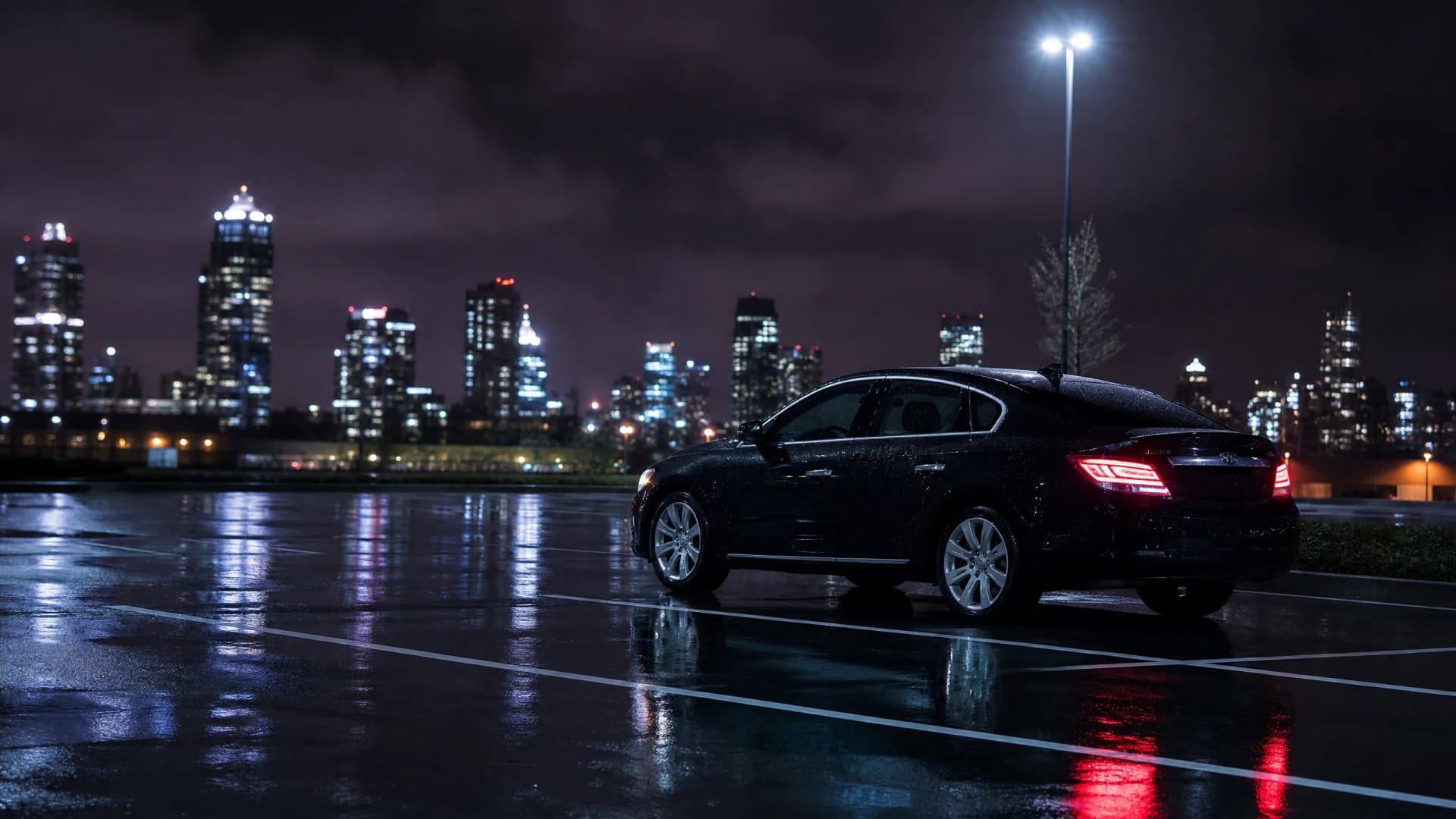
Vermont's mandatory PIP and UM coverage mean minimum isn't just liability — you're already paying for injury and uninsured-driver protection before considering collision or comprehensive.
Related Articles

How Coverage Tiers Apply Across Multiple Vehicles
When you add collision and comprehensive to a multi-car policy, you choose the coverage level per vehicle. One car can carry full coverage while another stays at minimum. The liability, PIP, and UM coverages apply at the policy level — every vehicle on the policy shares those limits. Collision and comprehensive are vehicle-specific. You're not required to cover every car identically.
This flexibility matters for households with mixed vehicle values. A 2022 sedan financed through a bank and a 2008 pickup owned outright don't need the same coverage. The sedan gets full coverage to meet the lender's requirement. The pickup stays at minimum because its value doesn't justify the collision premium. Both vehicles sit on the same policy, both qualify for the multi-car discount, and the liability limits protect both equally.
The cost structure works differently depending on how many vehicles you cover fully. Adding collision and comprehensive to one high-value car raises the policy premium significantly. Adding it to a second or third car raises it again, but the per-vehicle increment is often smaller than the first addition because the multi-car discount applies to the total policy premium. A lower per-vehicle rate on a higher total premium can still mean paying more overall, but the per-car cost drops as you add vehicles.
11.8%
Vermont Uninsured Motorist Rate
Uninsured motorist coverage is mandatory in Vermont specifically because this rate creates significant exposure for insured drivers in at-fault and no-fault scenarios alike.
Insurance Research Council, 2023

When Minimum Coverage Leaves Multi-Car Households Exposed
Minimum coverage in Vermont covers injury and uninsured-driver scenarios but leaves vehicle damage entirely on you. If you're at fault in an accident, your liability coverage pays for the other driver's vehicle and injuries up to your limits, but your own car's damage comes out of pocket. For a household with two or three vehicles, losing one to a total-loss accident without collision coverage means replacing that car with cash or financing while still paying the premium on the remaining vehicles.
The exposure compounds when multiple household members drive. A teen driver or a newly licensed adult on your policy increases accident probability. If that driver totals one of your vehicles and you're carrying minimum coverage, you absorb the full replacement cost. The mandatory PIP covers their medical bills, but the car is gone. For households where every vehicle is essential — two working adults, a college student, a high schooler — losing one car without replacement coverage disrupts the entire household's logistics.
Comparing Your Household's Next Step
The decision between minimum and full coverage for a multi-car household in Vermont comes down to vehicle value, replacement capacity, and risk tolerance. If any vehicle is financed, leased, or worth more than you can afford to replace out of pocket, full coverage on that vehicle is non-negotiable. Mixed coverage — full on high-value cars, minimum on low-value ones — is the most common structure for multi-car households.
Compare carriers writing multi-car policies in Vermont and request quotes that break out the per-vehicle cost for minimum versus full coverage. Carriers price collision and comprehensive differently, and the gap between minimum and full varies significantly by vehicle age, driver history, and garaging location. The multi-car discount applies regardless of coverage tier, so adding a second or third vehicle to your policy lowers the per-car rate whether you're carrying minimum or full coverage on each.
Full Coverage Adds Vehicle Damage Protection
Collision coverage pays to repair or replace your vehicle after an accident with another car or object, regardless of fault. Comprehensive covers non-collision damage: theft, vandalism, fire, weather, animal strikes. Both carry deductibles — typically $500 or $1,000 — that you pay out of pocket before the carrier pays the rest. The deductible applies per incident, per vehicle. If two of your cars are damaged in the same storm, you pay the deductible twice.
For multi-car households, full coverage decisions often split by vehicle value. A newer financed car typically requires collision and comprehensive under the lender's terms. Mixing coverage tiers on one policy is common and doesn't affect the multi-car discount — the discount applies to the policy structure, not the coverage level on each vehicle.
Get Your Free Quote
Get My Vermont Car Insurance QuoteFrequently Asked Questions
Does Vermont require full coverage on financed vehicles?
Vermont does not require full coverage by law, but lenders and leasing companies require collision and comprehensive as a condition of financing. The state mandates only liability, PIP, and uninsured motorist coverage. If you finance or lease a vehicle, the lender's contract will specify full coverage until the loan is paid off.
Can I carry minimum coverage on one car and full coverage on another on the same policy?
Yes. Vermont allows you to choose collision and comprehensive coverage per vehicle on a multi-car policy. Liability, PIP, and uninsured motorist coverage apply at the policy level to all vehicles. You can carry full coverage on a high-value car and minimum on an older vehicle without affecting the multi-car discount.
What happens if I total a car while carrying only minimum coverage in Vermont?
If you're at fault and carrying minimum coverage, your liability insurance pays for the other driver's vehicle and injuries up to your limits, but your own vehicle damage is not covered. You pay out of pocket to repair or replace your car. PIP covers your medical expenses, but collision coverage is required to cover your vehicle's damage.
Does the multi-car discount apply if I mix minimum and full coverage across my vehicles?
Yes. The multi-car discount applies to the policy structure — insuring multiple vehicles on one policy — not to the coverage level on each vehicle. You receive the discount whether every car carries minimum coverage, every car carries full coverage, or you mix coverage tiers across vehicles.
How does Vermont's mandatory uninsured motorist coverage work with multiple cars?
Uninsured motorist coverage is mandatory in Vermont and applies at the policy level, not per vehicle. If any vehicle on your multi-car policy is hit by an uninsured driver, your UM coverage pays for injuries and, if you carry UMPD, property damage up to your policy limits. The coverage protects all household members and all vehicles on the policy.