
Full Coverage Car Insurance Cost — Vermont
Free to compare
What Full Coverage Actually Means in Vermont
Full coverage is not a single insurance product you buy off a shelf. It is a liability policy that meets Vermont's $25,000 per person, $50,000 per accident bodily injury, and $10,000 property damage minimums, plus collision coverage for damage to your own vehicle in a crash, plus comprehensive coverage for theft, vandalism, weather, and animal strikes. You cannot buy full coverage without first carrying the state's mandatory liability, personal injury protection, and uninsured motorist coverages.
The question households face is whether adding collision and comprehensive to their liability policy justifies the added premium. That decision depends on vehicle value, household assets at risk if you cause a crash that exceeds your liability limits, and whether you can afford to replace a totaled car out of pocket. Vermont does not define full coverage in statute — the term describes a coverage combination, not a legal requirement.
“Liability protects others you injure. Collision and comprehensive protect the vehicle you own. Vermont law requires the first; your household decides whether to add the second.”
Compare Vermont Car Insurance Quotes Today
Get My Vermont Car Insurance Quote$25,000 / $50,000 / $10,000
Vermont Minimum Liability Limits
Vermont requires $25,000 bodily injury coverage per person, $50,000 per accident, and $10,000 property damage. These limits protect others you injure, not your own vehicle. A crash that totals your car leaves you with no payout unless you carry collision coverage.
Vermont Department of Motor Vehicles
Liability Alone Leaves Your Vehicle Unprotected
Vermont's mandatory liability coverage pays for damage you cause to others: their medical bills, their vehicle repairs, their lost wages. It does not pay a dollar toward your own car. If you total your vehicle in an at-fault crash, your liability policy covers the other driver's car and injuries up to your limits, and you walk away with nothing for your own totaled vehicle unless you carry collision.
Collision coverage pays to repair or replace your vehicle after a crash, regardless of fault. Comprehensive coverage pays for non-crash damage: a tree falls on your car during a storm, someone breaks your window and steals your stereo, you hit a deer on Route 7. Together, collision and comprehensive protect the asset you own. Liability protects you from lawsuits when you damage someone else's asset.
The structural reality many Vermont drivers miss: you can carry high liability limits to protect your household assets from a lawsuit and still have zero coverage for your own vehicle. Full coverage closes that gap by adding the two coverages that pay for your car.
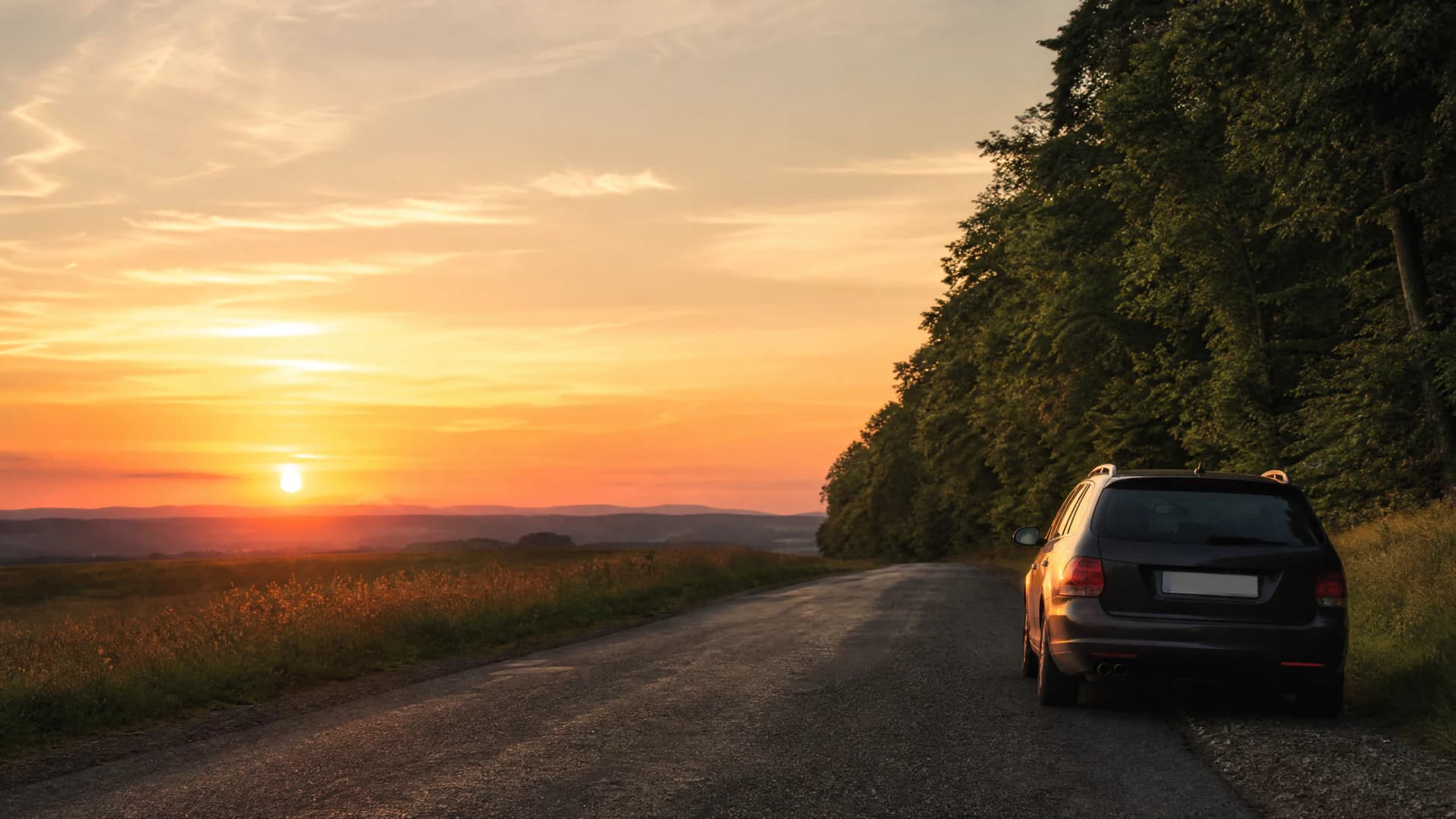
Vermont liability minimums protect others you injure, not your own vehicle. Without collision and comprehensive, a totaled car in an at-fault crash leaves you with no payout and no car.




How Deductibles Shape the Cost Calculation
Collision and comprehensive coverages each carry a deductible — the amount you pay out of pocket before the carrier pays the rest. A higher deductible lowers your premium; a lower deductible raises it. The trade-off is predictable: you pay less every month in exchange for paying more at claim time.
The math favors higher deductibles when you can afford the out-of-pocket hit and lower deductibles when a $1,000 surprise expense would strain your household budget.
Households insuring multiple vehicles often choose different deductibles for different cars. A newer financed vehicle might carry a $500 deductible because the loan requires collision and comprehensive and the household wants predictable out-of-pocket costs. An older paid-off vehicle might carry a $1,000 deductible or drop collision and comprehensive entirely, because the household can absorb the replacement cost without insurance.
11.8%
Vermont Uninsured Motorist Rate
If an uninsured driver totals your car and has no assets to sue, your collision coverage is the only source of payment for your vehicle. Uninsured motorist property damage coverage is optional in Vermont and does not replace collision.
Insurance Research Council, 2023
Comparing Carriers That Write Full Coverage in Vermont
Fifteen carriers write auto insurance in Vermont, and all of them offer collision and comprehensive as add-ons to liability policies. Vermont's carrier market includes both national brands and regional carriers, and premium differences for the same coverage can be significant. State Farm, Geico, Progressive, Allstate, and Nationwide all write full coverage policies in Vermont. Smaller carriers like Amica and Auto Club Enterprises also operate in the state and may offer lower premiums for drivers with clean records.
The structural quirk Vermont households face: a carrier that offers the lowest liability premium may not offer the lowest collision and comprehensive premium, because those coverages are priced separately based on vehicle value, repair costs in your area, theft rates, and the carrier's own claims experience. A household insuring two vehicles might find that one carrier offers the best rate for liability on both cars but a different carrier offers better collision and comprehensive rates, especially if one vehicle is significantly newer or more expensive than the other.
Compare Full Coverage Quotes Across Vermont Carriers
The next step is to request quotes from multiple carriers for the same coverage combination: Vermont's mandatory liability, PIP, and uninsured motorist coverages, plus collision and comprehensive with the deductible amounts you choose. Provide each carrier with the same vehicle information, the same coverage limits, and the same deductible options so the quotes are directly comparable. Pay attention to how each carrier prices collision and comprehensive separately — some carriers charge significantly more for comprehensive on vehicles garaged in rural areas with high deer-strike rates, while others price it uniformly across the state.
Vermont does not regulate how carriers price collision and comprehensive, so premium variation is wide. Comparing at least three carriers gives you a realistic range. If your household insures multiple vehicles, ask each carrier how their multi-car discount applies and whether bundling home or renters insurance lowers the combined premium further. The goal is to identify the carrier that offers the lowest total premium for the full coverage combination your household needs, not the carrier with the lowest liability-only rate.
When Full Coverage Makes Sense for Your Household
First, vehicle value relative to premium. Many households drop collision and comprehensive when the annual premium exceeds 10% of the vehicle's current value and self-insure the replacement risk.
Second, household asset exposure and replacement capacity. If you own a home, have retirement savings, or carry significant assets, a crash that exceeds Vermont's $50,000 per-accident bodily injury limit exposes those assets to a lawsuit. Separately, if losing a vehicle would prevent you from getting to work or require financing a replacement immediately, collision and comprehensive convert an unpredictable total-loss event into a predictable deductible and a check from your carrier.
Get Your Free Quote
Get My Vermont Car Insurance QuoteFrequently Asked Questions
Is full coverage required in Vermont?
No. Vermont requires liability, personal injury protection, and uninsured motorist coverage, but collision and comprehensive are optional. Lenders require collision and comprehensive if you finance or lease a vehicle, but once the loan is paid off, you can drop those coverages and carry only the state's mandatory liability, PIP, and UM.
What does full coverage cost in Vermont?
Premium depends on vehicle value, your driving record, coverage limits, deductible amounts, and the carrier you choose. Collision and comprehensive premiums vary widely by vehicle age and repair costs. Compare quotes from multiple Vermont carriers for the same coverage combination to see the actual cost for your household's vehicles.
Does full coverage cover hitting a deer in Vermont?
Yes, if you carry comprehensive coverage. Comprehensive pays for damage from animal strikes, including deer. Collision covers crashes with other vehicles or objects; comprehensive covers non-crash events like deer strikes, theft, vandalism, and weather damage. Liability does not cover your own vehicle in a deer strike.
Can I drop collision and comprehensive on an older car?
Yes, if you own the vehicle outright and can afford to replace it without insurance. Many Vermont households drop collision and comprehensive when the annual premium exceeds 10% of the vehicle's current value. If the car is financed or leased, the lender requires both coverages until the loan is paid off.
What is the difference between collision and comprehensive in Vermont?
Collision pays for damage to your vehicle in a crash, regardless of fault. Comprehensive pays for non-crash damage: theft, vandalism, weather, falling objects, and animal strikes. Both are optional in Vermont unless required by a lender, and both carry separate deductibles you choose when you add the coverage.
Does uninsured motorist coverage replace collision coverage?
No. Vermont requires uninsured motorist bodily injury coverage, which pays your medical bills if an uninsured driver injures you. Uninsured motorist property damage is optional and pays for damage to your vehicle caused by an uninsured driver, but it does not cover at-fault crashes, single-vehicle accidents, or non-crash events. Only collision covers your vehicle in an at-fault crash.