
Vermont Suspends Until You Meet Every Requirement
You were caught driving without insurance in Vermont, and the DMV suspended your license. Now you need to know how long the suspension lasts and what you must do to get your license back. The answer: Vermont does not publish a fixed suspension duration for driving uninsured. The suspension stays in place until you complete every reinstatement requirement the Commissioner of Motor Vehicles imposes.
If you delay filing SR-22 or paying the fee, the suspension continues. The clock does not run on its own; you must act to lift it.
Compare car insurance rates in your state
Get quotes from licensed carriers — no obligation, no spam, results in minutes.
Get Your Free QuoteVermont SR-22 Filing Period
3 years
Vermont requires SR-22 certificate of insurance for three years after a driving-without-insurance violation. The filing must remain active and continuous — any lapse restarts the three-year period and triggers a new suspension.
Vermont DMV SR-22 filing requirements
What the Suspension Actually Means
The suspension is administrative, not criminal. The Commissioner of Motor Vehicles issues it under Vermont's financial-responsibility law when you are caught driving without the state's minimum required coverage: $25,000 bodily injury per person, $50,000 bodily injury per accident, $10,000 property damage, plus personal injury protection and uninsured motorist coverage. Vermont is a no-fault state, and PIP and UM are mandatory.
The suspension notice you receive from the DMV lists the specific requirements you must meet to reinstate. They may also include proof that you have corrected the underlying violation — for example, if you were driving a vehicle registered in your name, you must show that vehicle now carries compliant insurance. If you were driving someone else's car, you may need to file non-owner SR-22 instead.
The suspension is not a fixed 30-day or 90-day period. It is indefinite until you comply. Some drivers reinstate within a week; others wait months because they delay filing SR-22 or cannot afford the reinstatement fee immediately. The DMV does not lift the suspension automatically once you file — you must submit proof of SR-22, pay the fee, and wait for the DMV to process your reinstatement application.
The suspension does not end when you file SR-22. It ends when the DMV processes your reinstatement application and confirms you have met every condition.
How to Reinstate After Uninsured Driving

First, obtain a compliant auto insurance policy from a carrier licensed to write SR-22 in Vermont. The policy must meet or exceed Vermont's minimum liability limits: $25,000/$50,000/$10,000, plus PIP and UM. Tell the carrier you need SR-22 filing. The carrier files the SR-22 certificate electronically with the Vermont DMV on your behalf. You do not file it yourself. The SR-22 filing must remain active for three years. If you cancel the policy or let it lapse, the carrier notifies the DMV, and your license is suspended again immediately.
You can pay online, by mail, or in person at a DMV office. The fee is separate from the SR-22 filing fee your carrier charges. Third, if the DMV requires additional documentation — proof that the vehicle you were driving is now insured, or proof that you have resolved any other outstanding violations — submit that documentation. The DMV will not process your reinstatement until every item on your suspension notice is resolved. Once the DMV confirms compliance, it lifts the suspension and your driving privilege is restored.
Related Articles





Why the Three-Year SR-22 Period Matters
The three-year SR-22 filing period begins the day your carrier files the certificate with the DMV, not the day you were caught driving uninsured. If you delay filing SR-22 for two months after your suspension notice, the three-year clock does not start until you actually file. That delay extends the total time you are dealing with SR-22 requirements.
During the three years, your carrier monitors your policy continuously. If you miss a payment and the policy lapses, the carrier files an SR-26 cancellation notice with the DMV within 10 days. The DMV suspends your license again immediately — no warning, no grace period. The three-year period restarts from the new filing date.
This is why drivers with SR-22 requirements often choose six-month policies paid in full rather than monthly payment plans. A missed monthly payment triggers immediate suspension. Paying in full removes that risk for the policy term. If you cannot afford six months up front, set up automatic payments and keep a buffer in your account. The consequence of a lapse is severe: another suspension, another reinstatement fee, and another three-year SR-22 period starting over.
Vermont License Reinstatement Fee
This fee is separate from any SR-22 filing fee your carrier charges and must be paid directly to the DMV before reinstatement is processed.
Vermont DMV reinstatement fee schedule
What Happens If You Drive During Suspension
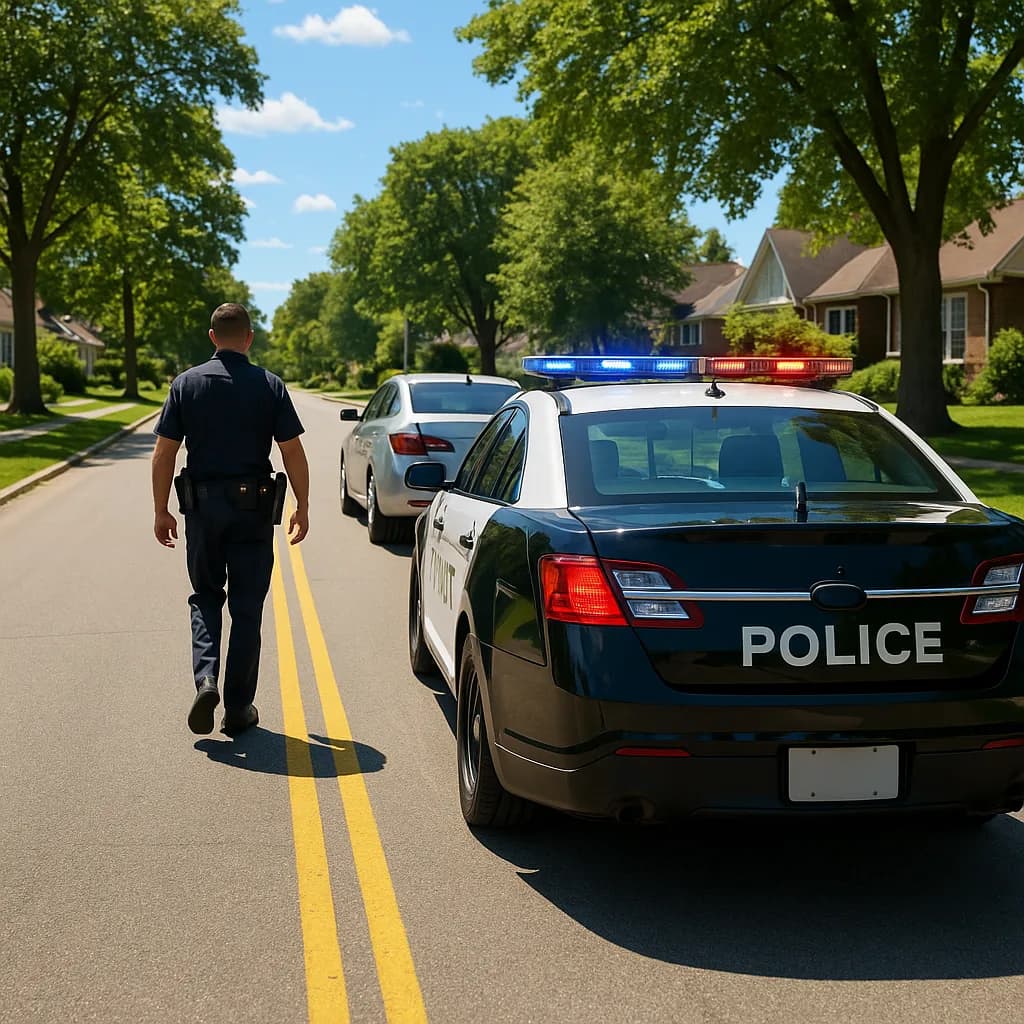
Driving on a suspended license in Vermont is a separate criminal offense. If you are caught, you face additional fines, potential jail time, and an extended suspension period. The original uninsured-driving suspension does not pause while you serve the new suspension — they stack. You must resolve both before the DMV will reinstate your license.
Some drivers assume that once they buy insurance and file SR-22, they can start driving immediately. That is not true. Your license remains suspended until the DMV processes your reinstatement application and notifies you that your driving privilege is restored. Driving before you receive that confirmation is driving on a suspended license, even if you now have insurance and SR-22 on file. Wait for the DMV's reinstatement confirmation before you get behind the wheel.
Finding a Carrier That Writes SR-22 in Vermont
Not every carrier writes SR-22 policies, and not every carrier that writes SR-22 will insure a driver with a recent uninsured-driving violation. Fifteen carriers active in Vermont write SR-22: Allstate, Dairyland, Farmers, Geico, Liberty Mutual, National General, Progressive, State Farm, The General, and USAA all file SR-22 electronically with the Vermont DMV. Dairyland, National General, The General, and Progressive specialize in high-risk drivers and typically offer the most competitive rates for drivers with violations.
When you request quotes, tell every carrier up front that you need SR-22 filing. Some carriers will decline to quote you; others will quote but at significantly higher rates than their standard policies. Compare at least three carriers. The SR-22 filing fee itself is small, but the underlying premium reflects your violation history. Shop carefully.
Act Now to Shorten Your Suspension
The suspension lasts as long as you let it. Every day you delay filing SR-22 or paying the reinstatement fee is another day you cannot legally drive. Start by requesting SR-22 quotes from carriers that write high-risk policies in Vermont. Once you select a carrier and bind coverage, the carrier files SR-22 electronically with the DMV within 24 to 48 hours. Gather any additional documentation the DMV requires and submit it immediately. The faster you complete every requirement, the faster the DMV processes your reinstatement and restores your license.